
The short answer
Apex Premier Chimney Services provides chimney sweeping, inspections, repairs, liners, waterproofing, and dryer vent and air duct cleaning throughout Downtown Brooklyn (11201). The best time to book a yearly inspection and sweep is before New York City's heat season starts on October 1.
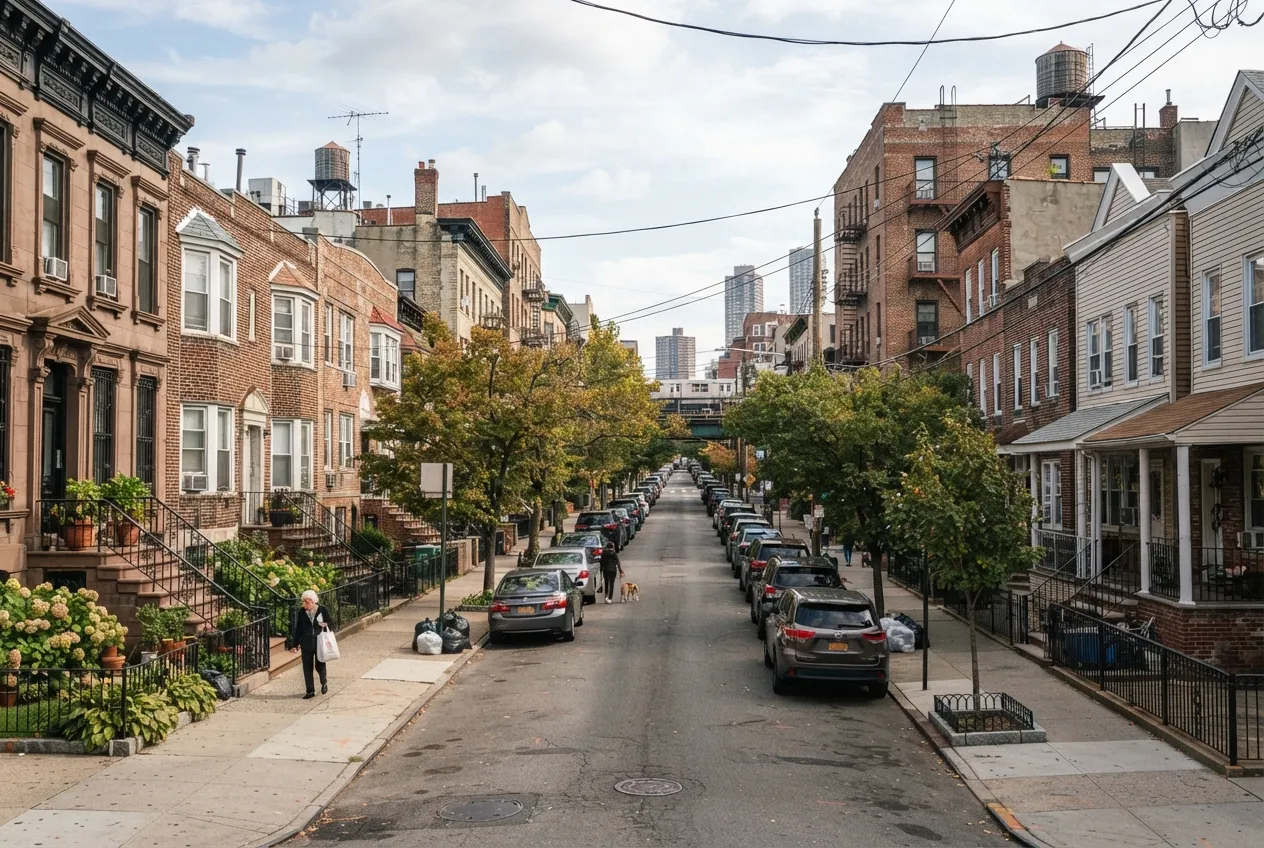
Downtown Brooklyn fits many kinds of housing into ZIP code 11201: pre-war apartment buildings, brownstones and rowhouses, and newer residential buildings. Each one moves smoke, heat and exhaust a little differently, and all of them face the same long, wet New York winters. Apex Premier Chimney Services serves Downtown Brooklyn from our Manhattan office, about 2 miles north. Our certified technicians clean, inspect and repair chimneys, liners, fireplaces, dryer vents and air ducts. We explain what we find in plain terms so you can decide what to do next.
Services for Downtown Brooklyn Homes and Buildings
Brownstones and rowhouses often have original fireplaces. Some still burn wood, and some have sat unused for years. Older flues may be unlined, cracked, or blocked by nests and debris, so we look before anyone lights a fire. In pre-war apartment buildings, the main concern is usually the boiler chimney and the vents that serve shared equipment. In individual units, the main concern is usually dryer vents and ductwork.
Here is what we handle in the neighborhood:
- Chimney sweep for wood-burning fireplaces and heating appliance flues
- Chimney inspection at the level your situation calls for
- Chimney repair, including mortar joints, crowns and flue tiles
- Chimney liner installation for damaged, unlined or converted flues
- Chimney cap and chase cover installation
- Chimney waterproofing for exposed brick and masonry
- Fireplace and damper repair
- Chimney rebuilding when masonry is too far gone to patch
- Dryer vent cleaning
- Air duct cleaning
How New York Weather Wears on Chimneys
Brooklyn winters swing above and below freezing again and again. Water that soaks into brick and mortar freezes, expands and loosens the masonry a little more each time. Nor'easters and wind-driven rain push moisture into crowns, flashing and open flues. Humid summers can then pull a smoky smell out of a fireplace that was last used months ago.
A chimney cap keeps out rain, animals and debris, and a chase cover protects the top of a framed chimney. A breathable waterproofing treatment lets brick shed water without trapping moisture inside. When we see spalling brick, missing mortar or a cracked crown, we recommend fixing it early. Small repairs now are far simpler than rebuilding a chimney later.
Yearly Inspections, Heat Season and Oil-to-Gas Conversions
The NFPA 211 standard calls for chimneys, fireplaces and vents to be inspected once a year. A Level 1 inspection fits when nothing has changed. A Level 2 inspection applies when you add a new appliance, switch fuels, or buy or sell the home. A Level 3 inspection is used only when a suspected hidden hazard requires opening part of the chimney or building to reach it.
New York City's heat season runs from October 1 through May 31. During that time, building owners must keep apartments heated to the city's minimum temperatures. Booking chimney work in late summer or early fall means problems are found before the boiler has to run every day.
Many older buildings in the area have switched from oil to gas. When a New York City building converts its boiler from oil to gas, the chimney has to be evaluated as part of the work. A new liner is often needed because gas exhaust produces acidic condensate that can corrode a masonry flue. We inspect the flue and fit a liner sized to the new appliance.
Dryer Vents and Air Ducts
According to the U.S. Fire Administration, failure to clean is the leading factor contributing to clothes dryer fires in homes. Long vent runs in apartment buildings and rowhouses collect lint quickly. Watch for clothes that take more than one cycle to dry, a dryer that gets very hot, or a burning smell. Any of these is a reason to have the vent cleaned.
For air ducts, we follow the U.S. EPA's guidance. Cleaning makes sense when there is substantial visible mold, signs of vermin, or excessive dust and debris. The EPA also says duct cleaning has not been shown to prevent health problems, and it urges caution with chemical treatments. We will tell you honestly whether your ducts need cleaning at all.
Nearby Neighborhoods We Serve
Besides Downtown Brooklyn, our technicians regularly work in Chinatown, Two Bridges, the Lower East Side, Tribeca and Civic Center. The housing in these neighborhoods is similar, from older walk-ups to larger apartment buildings, so the same services apply.
ZIP codes we serve
- 11201