
The short answer
You likely need a chimney rebuild when bricks are cracking, loose or crumbling, mortar is washing out, or water is getting into the firebox. Our crew inspects the chimney, takes down the damaged masonry and relays it with new brick, mortar and a crown, then tests that the chimney drafts properly.
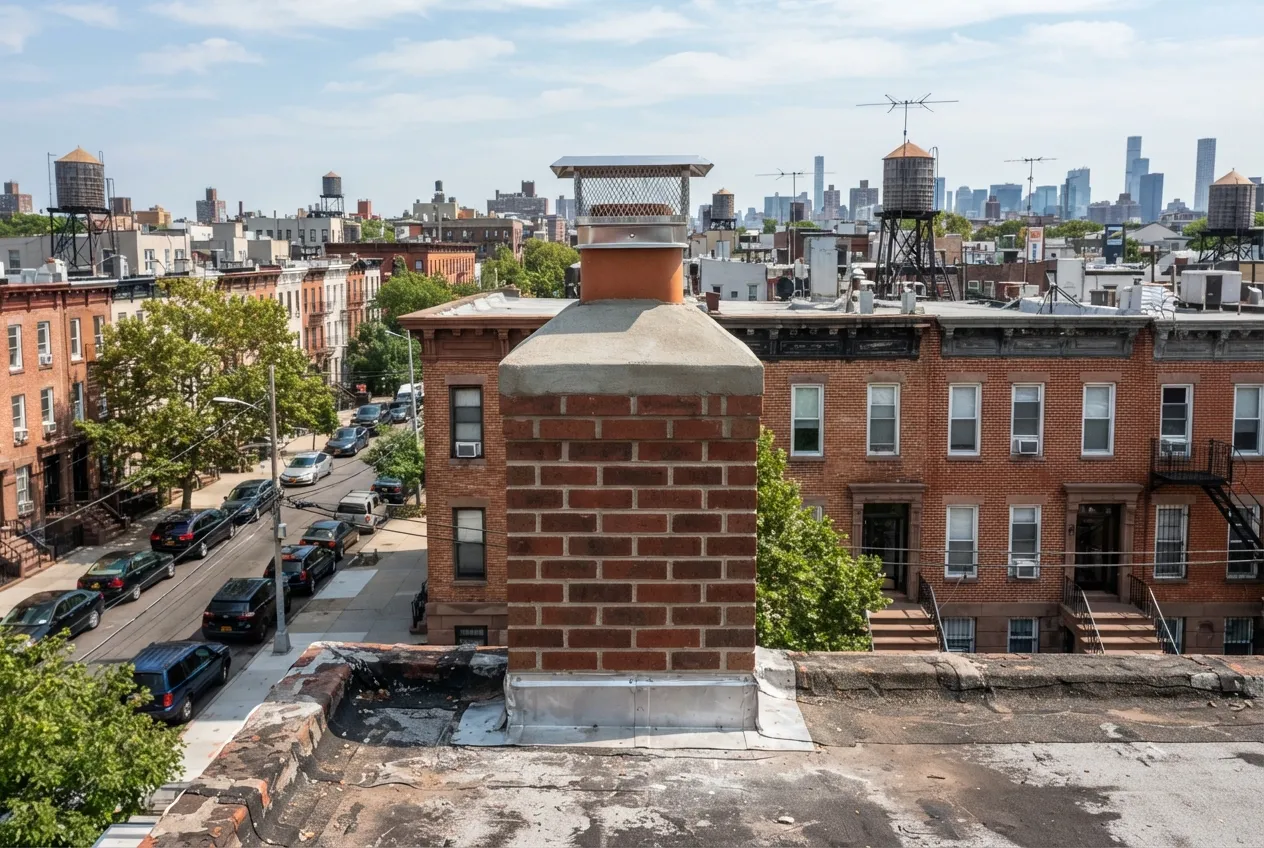
A chimney stands in the weather all year. Rain, freeze-thaw cycles and hot exhaust slowly wear down the brick and mortar. Repointing and small repairs can fix early wear. But once mortar joints wash out and bricks crack, spall or shift, patching stops working. Chimney rebuilding means taking down the damaged section of masonry and laying it back up with new brick, fresh mortar and a new crown. Often that section is everything above the roofline, and sometimes it goes lower. Apex Premier Chimney Services rebuilds chimneys for homeowners in New York City and nearby cities. Our certified technicians first find out how far the damage goes, then rebuild only what needs it, so you are not paying to replace sound masonry. This page covers the signs that point to a rebuild, what the work includes, and how a project runs from inspection to cleanup.
Signs you need it
Most homeowners notice a problem from inside the house first, usually after a storm or at the start of heating season. Any one of these signs is worth an inspection. Several together usually mean the masonry is failing, not just aging.
- Brick flakes, crumbled mortar or chunks of masonry in the firebox, on the roof or in the gutters
- Water in the firebox, or damp stains on the ceiling or walls next to the chimney after rain
- White, chalky staining on the outside brick, which shows water is moving through the masonry
- A chimney that leans, or a crack that runs through several rows of brick
- Mortar joints you can see are deeply eroded or missing, even from the ground
- Poor draft or smoke rolling into the room, which can happen when a damaged crown or flue disrupts airflow
- A smoke or creosote smell in humid weather, often linked to moisture getting into the flue
What's included in a chimney rebuild
Every rebuild starts with an inspection, because the visible damage on the outside does not always match what is happening inside the flue. Once we know the extent of the damage, the work usually includes the items below. Your written scope will list exactly which ones apply to your chimney.
- Chimney sweeping with rotary brushes so the flue can be inspected clearly
- Camera inspection of the flue to check the liner and the inner masonry
- Careful teardown of damaged brick down to solid, sound masonry
- Rebuilding with brick matched as closely as practical to your existing chimney
- New mortar joints tooled to shed water
- A new crown sloped to drain water away from the flue
- Flashing repair or replacement where the chimney meets the roof
- Chimney cap installation or reinstallation to keep out rain and animals
- Liner evaluation, with relining recommended when the flue is cracked or no longer suits your appliance
- A final check that the chimney drafts properly, plus full cleanup of the roof and work area
How our crew works in your home and on the roof
Inside, we lay drop cloths from the door to the fireplace or appliance and seal the firebox opening before any work begins. We use rotary brushes to clean the flue and HEPA vacuums to capture soot and dust, so it does not spread through your rooms. Before and after the rebuild, we run a camera through the flue and show you what it found.
On the roof, we set up safe access and protect shingles and gutters from falling debris. Old masonry comes down in a controlled way and is bagged and removed, not tossed into your yard. New brick goes up in courses, and we leave each section to set properly. We keep the work area tidy at the end of each day, and we cover the open chimney if a job runs overnight or into bad weather.
The standard we follow
We follow the NFPA 211 standard, which calls for chimneys, fireplaces and vents to be inspected once a year. Chimney professionals use three inspection levels. A Level 1 inspection fits when nothing about the system has changed. A Level 2 inspection is called for when the system changes, such as a new appliance or a switch in fuel, or when the home is sold. A Level 3 inspection is used when a hidden hazard can only be reached by opening part of the chimney or building. Rebuild projects often start at Level 2, and serious structural damage can call for Level 3.
Fuel changes matter here. When a New York City building converts its boiler from oil to gas, the chimney has to be evaluated as part of the work. A new liner is often needed because gas exhaust produces acidic condensate that can corrode a masonry flue. If you are planning a conversion, it makes sense to address the chimney and the liner together.
What affects the price
Every chimney is different, so we price each rebuild after an inspection. These are the main factors that shape the cost:
- How much of the chimney has to come down, and its height above the roof
- Roof pitch, height and access, including whether staging or extra safety setup is needed
- Flue size and condition, and whether the liner needs repair or replacement
- Fuel type and the appliance the chimney serves, which can change what liner is required
- How much creosote or debris has built up and must be cleaned before inspection
- Whether a camera inspection or additional repairs, such as flashing or a new crown, are needed
- Brick matching and any special masonry details
How a visit works
First, we schedule an inspection. A technician sweeps the flue, runs a camera through it and checks the masonry from the roof. You then receive a written scope that explains what we found, what we recommend and why.
Once you approve the work, we set a start date. Rebuild timing depends on how much masonry is involved and on the weather, since mortar needs suitable conditions to cure. If your chimney serves a boiler that heats rental units, keep in mind that New York City's heat season runs from October 1 through May 31. Owners must keep apartments heated to city minimums during that period, so planning the work early helps avoid gaps in heat.
When the rebuild is done, we test the draft, review camera footage with you, clean up and explain how to keep the new masonry in good shape with yearly inspections.