
The short answer
Many chimneys in Little Italy's older brick buildings have cracked, worn or missing flue liners. Oil-to-gas boiler conversions often require a new liner because gas exhaust creates acidic condensate. Apex Premier Chimney Services inspects your flue, sizes a liner to your appliance and installs it from our nearby office at 113 Greene St.
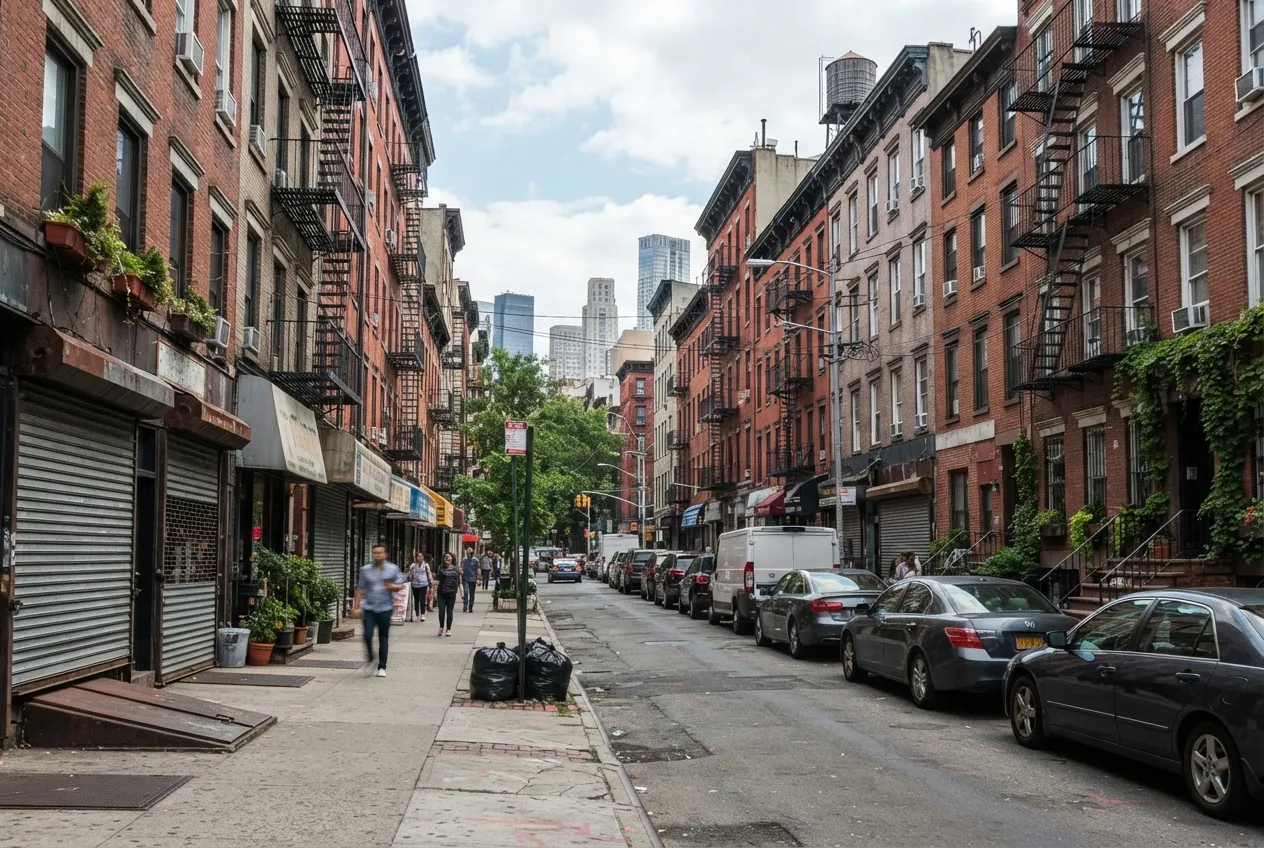
A chimney liner is the inner channel that carries smoke and exhaust gases up and out of your home. Little Italy has many older rowhouses and pre-war apartment buildings, and their masonry flues were built long before today's boilers, water heaters and fireplace inserts. Over time, clay tiles crack, mortar joints wash out, and some flues were never lined at all. Apex Premier Chimney Services installs new liners for homeowners and building owners in ZIP code 10012. Our office is at 113 Greene St, so our certified technicians are close by for an evaluation, an estimate visit or the installation itself.
Why Older Little Italy Chimneys Often Need a New Liner
Most chimneys in the neighborhood are tall masonry stacks that run through several floors of brick. When the flue inside is damaged, heat and exhaust can reach the surrounding brick and wood framing. Carbon monoxide can also leak into living spaces instead of venting outside. A cracked or missing liner lets moisture soak into the masonry too, which speeds up crumbling joints and spalling brick.
We usually find liner problems during an inspection, either by running a camera down the flue or by looking at what has fallen to the base. Common warning signs include:
- Pieces of clay tile or mortar collecting at the bottom of the flue or in the cleanout
- White staining or damp patches on chimney walls inside the home
- Rust on the boiler or water heater vent connector
- Smoke or fumes that back up instead of drafting cleanly
- A flue that was never lined, which is common in older brick chimneys
Oil-to-Gas Conversions and Other System Changes
Many Manhattan buildings are switching their boilers from oil to gas. When a New York City building makes that conversion, the chimney has to be evaluated as part of the work, and a new liner is often needed. Gas exhaust produces acidic condensate, and that acid can corrode a masonry flue that handled oil exhaust for decades.
The same concern applies when you replace a boiler, add a high-efficiency water heater, or install a wood or gas insert in a fireplace. The NFPA 211 standard calls for a Level 2 inspection when the system changes like this, and the liner is one of the main things we check. A flue sized for an old appliance can be far too large for a new one. That mismatch leads to poor draft and more condensation.
Liner Options We Install
The right liner depends on what vents into the chimney, the size and shape of the flue, and the condition of the masonry. After measuring and inspecting, we explain the options that fit your system and why we recommend them.
- Stainless steel liners: flexible or rigid, used for gas, oil and wood-burning appliances, and well suited to tall or offset flues
- Insulated liners: stainless steel wrapped in insulation to keep exhaust warm, improve draft and reduce condensation
- Cast-in-place liners: a cement-based mix formed inside the existing chimney, useful when the masonry needs added strength
- Proper sizing: matching the liner diameter to the appliance so it drafts correctly
- Top and bottom connections: a cap at the top and a tee or connector at the bottom, sealed to the appliance
What Installation Looks Like in a Manhattan Building
Most liner jobs in Little Italy require roof access, so we coordinate ahead of time with you, your superintendent or your building manager. In a walk-up or apartment building, we plan how to bring materials through common areas. We also protect hallways and the floors near the appliance.
A typical installation starts with an inspection and camera scan. Next, we clean the flue so the new liner goes into a clear passage. Our technicians then feed the liner down from the roof, connect it to the appliance, install the top cap and test the draft. Afterward, we explain what was done and how the system should operate.
Timing matters in this city. New York City's heat season runs from October 1 through May 31, and building owners must keep apartments heated to the city's minimum temperatures during those months. If your boiler vents through the chimney, scheduling the work before October helps you avoid shutting down heat when tenants depend on it. If a liner fails in the middle of winter, we plan the job around the building's heating needs.
Serving Little Italy and Nearby Neighborhoods
Our office at 113 Greene St is a short trip from homes and buildings throughout 10012. We also install chimney liners in SoHo, Hudson Square, Tribeca, Civic Center and Greenwich Village. Many properties in these neighborhoods have the same mix of brick rowhouses, brownstones and pre-war apartment buildings.
After installation, keep the system on a yearly inspection schedule. The NFPA 211 standard calls for chimneys, fireplaces and vents to be inspected once a year. An annual check helps catch loose connections, debris or cap damage before they become bigger problems.
More services in Little Italy
- Chimney Sweep in Little ItalyLocal service & repairs
- Chimney Inspection in Little ItalyLocal service & repairs
- Chimney Repair in Little ItalyLocal service & repairs
- Air Duct Cleaning in Little ItalyLocal service & repairs