
The short answer
A Lower East Side chimney usually needs a new liner when the existing flue is cracked, deteriorated or the wrong size for the appliance, or when a building's boiler converts from oil to gas. We inspect the flue first, then recommend and install a liner sized for your heating equipment and your chimney.
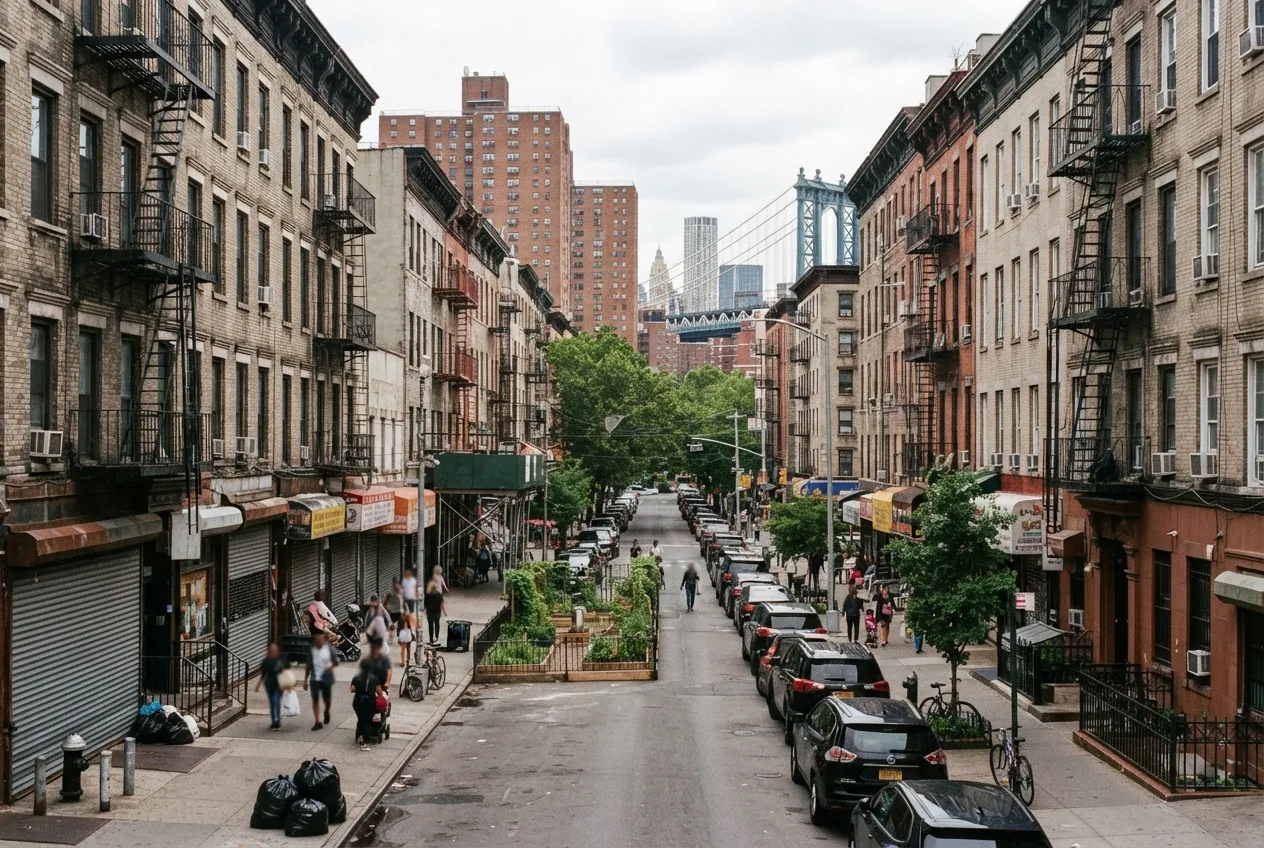
Many homes and buildings in the Lower East Side were built long before modern heating equipment existed. Pre-war apartment buildings, walk-ups and older rowhouses often have masonry chimneys that were made for coal or oil, and those flues don't always handle today's boilers, water heaters or fireplaces well. A chimney liner is the protective channel inside the chimney that carries smoke and exhaust safely out of the building. When the original clay tile has cracked, the mortar has worn away, or the flue is the wrong size for the appliance it serves, installing a new liner is usually the fix. Apex Premier Chimney Services is based about a mile northwest of the neighborhood, and our certified technicians handle liner work throughout the 10002 ZIP code.
Why older Lower East Side chimneys often need relining
Masonry chimneys in older Manhattan buildings have taken decades of heat, moisture and freeze-thaw cycles. Clay tile liners crack, joints open up, and in some older chimneys there may be no liner at all, just brick. Gaps in a flue can let heat reach nearby wood framing and let exhaust, including carbon monoxide, leak into the building instead of rising out the top.
Size matters too. A flue built for a large coal or oil boiler can be far too big for a modern high-efficiency appliance. In an oversized flue, exhaust cools too quickly, draft weakens, and condensation forms on the inside walls. A properly sized liner restores draft and keeps exhaust moving.
- Cracked, shifted or missing flue tiles found during an inspection
- Bits of tile or mortar falling into the firebox or cleanout
- Water stains, crumbling mortar or white staining on interior chimney walls
- Poor draft, smoke rolling back into the room, or exhaust odors near the appliance
- A new boiler, furnace or water heater being connected to an old flue
Oil-to-gas conversions and your chimney
Many Lower East Side buildings have switched, or are planning to switch, from oil heat to gas. When a New York City building converts its boiler from oil to gas, the chimney has to be evaluated as part of the work, and a new liner is often needed. Gas exhaust produces acidic condensate, and that moisture can corrode a masonry flue from the inside over time.
If your building is planning a conversion, it helps to bring us in early. We can inspect the existing chimney, tell you what we find, and plan a liner that matches the new equipment so the chimney work doesn't hold up the rest of the project.
Liner options we install
The right liner depends on what the chimney serves, its size and shape, and its condition. We explain the options we think fit your chimney and why.
- Stainless steel liners for gas, oil and wood-burning appliances, available in rigid or flexible forms to fit offsets common in older chimneys
- Insulated stainless liners where extra heat protection and better draft are needed
- Aluminum liners for certain gas appliances where they are appropriate
- Cast-in-place liners that can also help strengthen a deteriorated masonry chimney
How a liner installation works
Every job starts with an inspection. The NFPA 211 standard calls for chimneys, fireplaces and vents to be inspected once a year, and it describes a Level 2 inspection for when a system changes, such as a new appliance or a switch of fuel. Liner projects usually fall into that category. We typically use a camera to look inside the flue, so you can see its condition for yourself.
After the inspection, we measure the flue and confirm the appliance's venting needs, then lay out the scope of work. On installation day we protect the work area, clean the flue, run the liner from the top of the chimney down to the appliance connection, and seal and cap it at the top. In multi-story buildings we plan access in advance with owners, supers or managers so the work goes smoothly for residents.
Timing around New York City's heat season
New York City's heat season runs from October 1 through May 31, when building owners must keep apartments heated to the city's minimum temperatures. For buildings with central boilers, it makes sense to schedule liner work in late spring or summer when you can. If a problem shows up mid-winter, call us and we'll talk through what can be done to keep the heat running safely.
Serving the Lower East Side and nearby neighborhoods
We work across the Lower East Side and nearby downtown neighborhoods, including Chinatown, Two Bridges, East Village, SoHo and Little Italy. Housing across this part of Manhattan is similar, with plenty of pre-war apartment buildings, walk-ups and rowhouses, so the chimney problems we find tend to look alike too.
More services in Lower East Side
- Chimney Sweep in Lower East SideLocal service & repairs
- Chimney Inspection in Lower East SideLocal service & repairs
- Chimney Repair in Lower East SideLocal service & repairs
- Air Duct Cleaning in Lower East SideLocal service & repairs