
The short answer
Air duct cleaning is worth doing in a Civic Center home when there is visible mold growth, signs of pests, or heavy dust and debris inside the ducts. Our certified technicians inspect first, then clean with source-removal equipment that fits apartment and loft layouts and works within building rules.
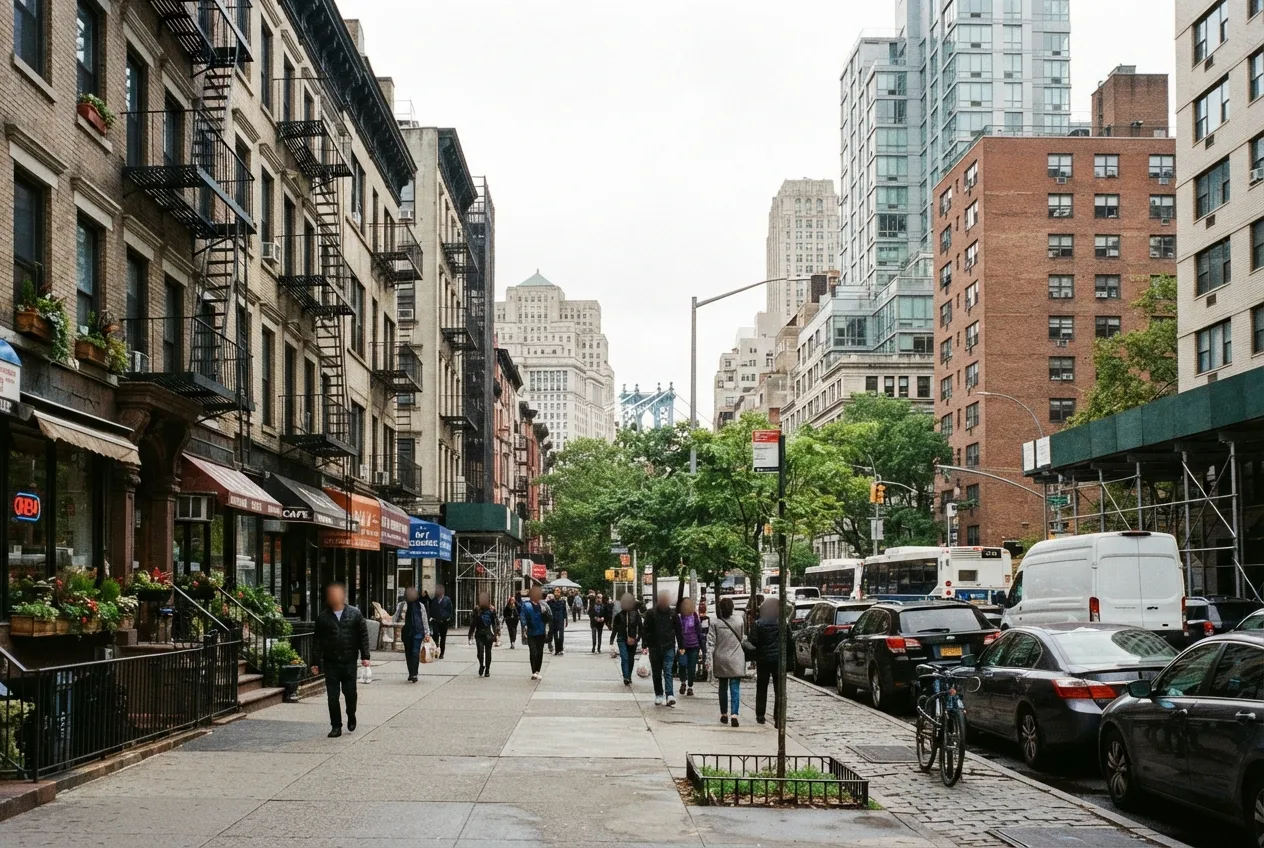
Civic Center is at the southern end of Manhattan, about a mile southwest of our office. Most homes here are apartments, condos, and loft conversions inside larger buildings rather than standalone houses. That shapes how air duct cleaning works. Ductwork is often hidden above dropped ceilings, behind soffits, or inside a unit's own HVAC closet, and the job has to follow building rules. Apex Premier Chimney Services cleans residential ductwork in ZIP codes 10007, 10013, 10278, and 10279. We'll give you a straight answer on whether your system actually needs cleaning before any work begins.
When Your Ducts Actually Need Cleaning
Not every system needs cleaning on a schedule. The U.S. EPA advises cleaning air ducts when there is substantial visible mold growth, evidence of vermin, or excessive dust and debris. The EPA also notes that duct cleaning has not been shown to prevent health problems, so we don't sell it that way. We clean ducts because dirty, contaminated, or blocked ductwork is a real problem worth fixing.
During an inspection, we look inside supply and return ducts with lights and cameras where we can reach them. Then we tell you what we found. If your ducts look reasonable, we'll say so.
- Mold you can see on duct surfaces, the coil, or the drain pan
- Droppings, nesting material, or other signs of insects or rodents
- Dust that puffs out of registers when the system starts
- Construction debris left after a renovation in your unit or building
- A musty smell that returns each time the air handler runs
Ductwork in Civic Center Apartments and Lofts
Housing in Civic Center leans toward pre-war apartment buildings, converted commercial and loft buildings, and newer condo construction. Each type comes with its own duct setup. Older buildings often had central air added later, so the runs can be long, tight, and routed through spaces that were never meant for them. Loft conversions may have exposed or partly exposed ducts that collect dust on the outside as well as the inside. Newer condos usually have a dedicated air handler or fan coil in each unit.
Because most work happens inside a shared building, we plan around your building's requirements. That may include approved work hours, freight elevator reservations, and paperwork the managing agent or board asks for. Let us know about any rules when you book, and we'll schedule to match them.
How We Clean Residential Ducts
Our approach is source removal, which means physically getting the debris out of the system instead of just pushing it around. We protect your floors and furnishings and seal off registers in the work area. Then we set up negative pressure so loosened dust is pulled into our collection equipment and not into your living space.
We don't spray chemical treatments as a routine add-on. The EPA urges caution with these products, and we'll only discuss one if there's a specific reason for it, such as confirmed mold after the cause has been fixed. If moisture caused the problem, the leak or drainage issue has to be repaired first or the mold will come back.
- Inspect supply and return ducts, registers, and the air handler area
- Protect the work area and seal registers
- Connect negative-pressure collection equipment
- Agitate and brush duct interiors, then vacuum loosened debris
- Clean registers and grilles, and check the filter fit
- Walk you through what we removed and anything that needs follow-up
Timing Around Heating Season
New York City's heat season runs from October 1 through May 31. In many buildings, the systems in your unit are busiest during those months. Late spring and early fall are often convenient times to have ducts cleaned, because the work happens before heavy heating or cooling use. If you've just finished a renovation, schedule cleaning after the dust-producing work is done, not before.
Dryer Vents and Nearby Neighborhoods
If your unit has an in-home dryer, ask us to check the vent during the same visit. According to the U.S. Fire Administration, failure to clean is the leading factor contributing to clothes dryer fires in homes. Long vent runs in apartment buildings can make lint buildup worse.
Besides Civic Center, we serve homeowners in Tribeca, SoHo, Little Italy, Hudson Square, and Chinatown, where we find many of the same building types and duct layouts.
More services in Civic Center
- Chimney Sweep in Civic CenterLocal service & repairs
- Chimney Inspection in Civic CenterLocal service & repairs
- Chimney Repair in Civic CenterLocal service & repairs
- Chimney Liner Installation in Civic CenterLocal service & repairs