
The short answer
Under the NFPA 211 standard, chimneys, fireplaces and vents should be inspected once a year, and the inspection level depends on whether anything has changed. In Civic Center, schedule yours before heat season starts on October 1, and get a Level 2 inspection if you've switched fuel, added an appliance or are buying or selling.
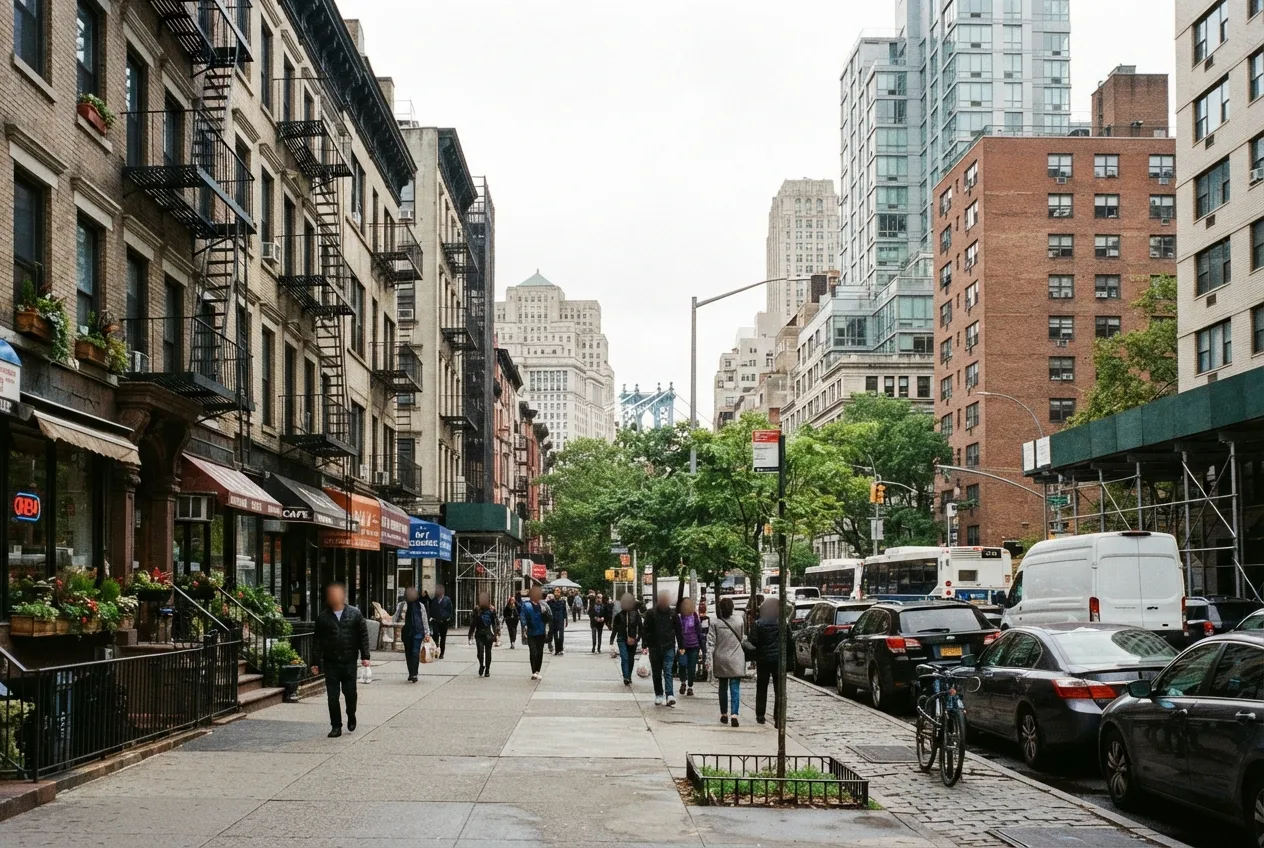
Many homes in Civic Center are in converted loft buildings, pre-war apartment buildings and older mixed-use buildings. In buildings like these, a single chimney may have vented several generations of heating equipment, and some flues have been relined, abandoned or reused along the way. Apex Premier Chimney Services inspects fireplaces, wood stoves, and boiler and water-heater flues for residents, co-op and condo boards, and building owners in ZIP codes 10007, 10013, 10278 and 10279. Our Manhattan office is about a mile away. Our certified technicians tell you what condition your chimney is in, what needs attention now, and what can wait.
Why Civic Center Chimneys Need a Yearly Look
The NFPA 211 standard calls for chimneys, fireplaces and vents to be inspected once a year. That applies whether you light a wood fireplace a few evenings each winter or your building's boiler runs every day. Heat in older Manhattan buildings, deterioration often starts where you can't see it, inside the flue or where the chimney passes through floors and the roof.
Timing matters here. New York City's heat season runs from October 1 through May 31, and building owners must keep apartments at the city's minimum temperatures during that time. If an inspection turns up a problem in a boiler flue, it is far easier to fix in late summer than in January, when the heating system can't easily be shut down.
Which Inspection Level Do You Need?
Chimney professionals use three inspection levels. We'll recommend one based on your situation and explain why before we start.
- Level 1: For a chimney in regular use when nothing about the system has changed. We examine the readily accessible parts of the chimney, the flue and the appliance connection.
- Level 2: Needed when the system changes, such as a new boiler, stove or insert, or a switch from oil to gas, and when a home is sold. It includes a video scan of the flue interior and accessible attic, basement and roof areas.
- Level 3: Used only when a hidden hazard has to be reached by opening part of the chimney or building, such as a wall or chase. We recommend it only when a Level 2 points to a problem that can't be confirmed any other way.
Oil-to-Gas Conversions and Flue Liners
Many older Manhattan buildings have moved boilers from oil to gas. When a New York City building makes that conversion, the chimney has to be evaluated as part of the work. A new liner is often needed because gas exhaust produces acidic condensate that can corrode a masonry flue from the inside.
If your building has converted or is planning to, we inspect the flue, record its size and condition, and note whether the existing liner suits the new appliance. Your board, managing agent or contractor can use these findings when planning the project.
What We Check During an Inspection
Every report covers the parts of the system that affect safe venting and fire risk. Depending on the level and what we can reach, that includes:
- Creosote and soot buildup in wood-burning flues
- Cracked, missing or corroded flue liner sections
- Mortar joints, crown and cap condition at the roof
- Damper operation and firebox brick and joints
- Appliance connector pipes and their fit at the chimney
- Signs of water entry, nesting animals or blockages
- Clearance between the chimney and nearby wood framing
Preparing for Your Appointment
In apartment and loft buildings, roof and boiler-room access usually goes through building management or the super. Let them know the date ahead of time so we can reach every part of the flue. Please don't use a wood fireplace for at least a day beforehand so the firebox is cool.
After the inspection, you'll get a written report with photos, plus a plain explanation of anything that needs repair, cleaning or monitoring. We serve Civic Center and the nearby neighborhoods of Tribeca, SoHo, Little Italy, Hudson Square and Chinatown.
More services in Civic Center
- Chimney Sweep in Civic CenterLocal service & repairs
- Chimney Repair in Civic CenterLocal service & repairs
- Air Duct Cleaning in Civic CenterLocal service & repairs
- Chimney Liner Installation in Civic CenterLocal service & repairs