
The short answer
You need a new chimney liner when the existing flue is damaged, the wrong size for your appliance, or not suited to the fuel you burn. A common example is converting a boiler from oil to gas. Our certified technicians inspect the flue first, then install a liner matched to your appliance and building.
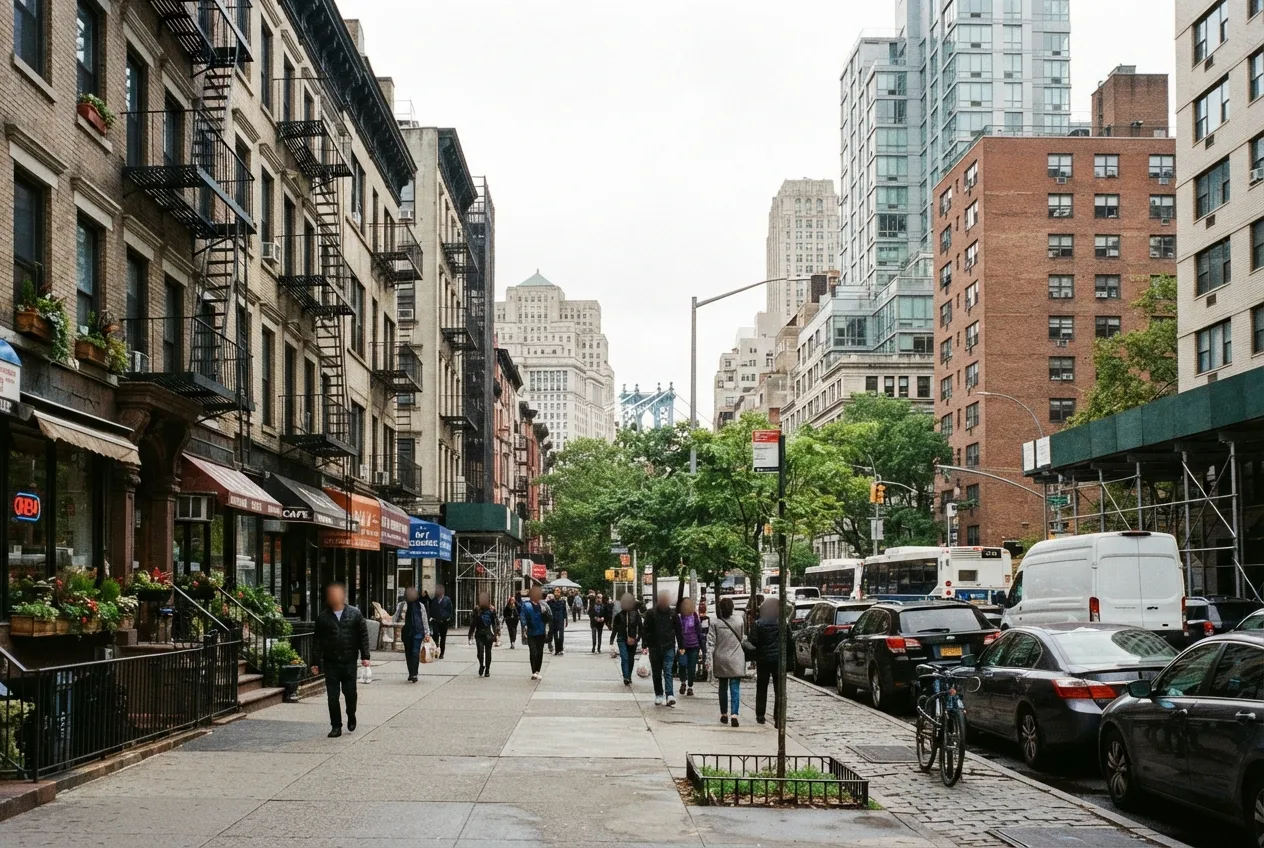
A chimney liner is the channel inside the chimney that carries smoke and exhaust safely up and out of the building. In Civic Center, many homes sit in pre-war apartment buildings, converted lofts and older masonry structures. Original clay tile or bare brick flues in these buildings may be cracked, undersized or worn down after decades of use. Apex Premier Chimney Services installs new liners for fireplaces, boilers and other heating appliances throughout Civic Center, including ZIP codes 10007, 10013, 10278 and 10279. We are based about a mile northeast in Manhattan, so we know how chimney work fits into the logistics of a dense downtown building.
Why Liners Matter in Civic Center Buildings
Much of Civic Center's housing is older masonry construction. Over time, heat, moisture and the acids in exhaust gases wear down mortar joints and clay flue tiles. A damaged liner can let heat reach nearby wood framing. It can also let carbon monoxide seep into walls and neighboring units. In a building where several households share walls and chimney stacks, one failing flue can affect more than one home.
A liner also controls draft. If a flue is too large or too small for the appliance it serves, exhaust can cool too quickly, condense inside the chimney, or spill back into the room. Sizing the liner correctly is as important as installing it.
Oil-to-Gas Conversions and Your Chimney
Many Manhattan buildings have moved their boilers from oil to gas. When a New York City building makes this conversion, the chimney has to be evaluated as part of the work. A new liner is often needed, because gas exhaust produces acidic condensate that can corrode a masonry flue not built for it.
If your building is planning a conversion, or has already made one without addressing the chimney, we can inspect the flue and tell you whether it can stay in service or needs relining. We coordinate with building management and the heating contractor so the chimney work fits the conversion schedule.
Our Installation Process
Every liner job starts with an inspection. The NFPA 211 standard calls for chimneys, fireplaces and vents to be inspected once a year. It also calls for a more detailed Level 2 inspection when the system changes, such as a new appliance or a switch of fuel. That is usually the situation when a liner is being considered. Level 2 includes a camera scan of the flue interior, so we can see cracks, gaps and obstructions you cannot see from the firebox or roof.
- Inspect the flue and confirm what appliance or fireplace it serves
- Measure the flue and match the liner size to the appliance's venting needs
- Recommend a liner type that fits the fuel and the chimney's shape
- Install the liner, connections and cap, and insulate where the installation calls for it
- Verify draft and walk you through the finished work
Liner Options
Most relining in Manhattan uses stainless steel liners. These can be rigid or flexible, depending on whether the flue runs straight or has offsets. Stainless steel works for gas, oil and wood-burning appliances when the right grade is chosen. For some masonry fireplaces, a poured or cast-in-place liner may be a better fit, because it can also strengthen a deteriorated flue. We explain the tradeoffs for your chimney instead of defaulting to a single product.
Timing Around Heat Season
New York City's heat season runs from October 1 through May 31. During those months, building owners must keep apartments heated to the city's minimum temperatures. Relining a boiler flue usually means taking the boiler offline, so many owners and managers schedule the work in late spring or summer. If a damaged flue is found mid-season, we can discuss how to keep the shutdown as short as possible.
We also serve nearby Tribeca, SoHo, Little Italy, Hudson Square and Chinatown, where buildings are of a similar age and the same scheduling questions come up.
More services in Civic Center
- Chimney Sweep in Civic CenterLocal service & repairs
- Chimney Inspection in Civic CenterLocal service & repairs
- Chimney Repair in Civic CenterLocal service & repairs
- Air Duct Cleaning in Civic CenterLocal service & repairs