
The short answer
East Village homes and buildings often need a new chimney liner when the old masonry flue is damaged, unlined, or mismatched to a new appliance. A liner is especially common after an oil-to-gas boiler conversion, because gas exhaust produces acidic condensate that can corrode a masonry flue. We inspect first, size the liner to the appliance, and install it so the flue vents safely.
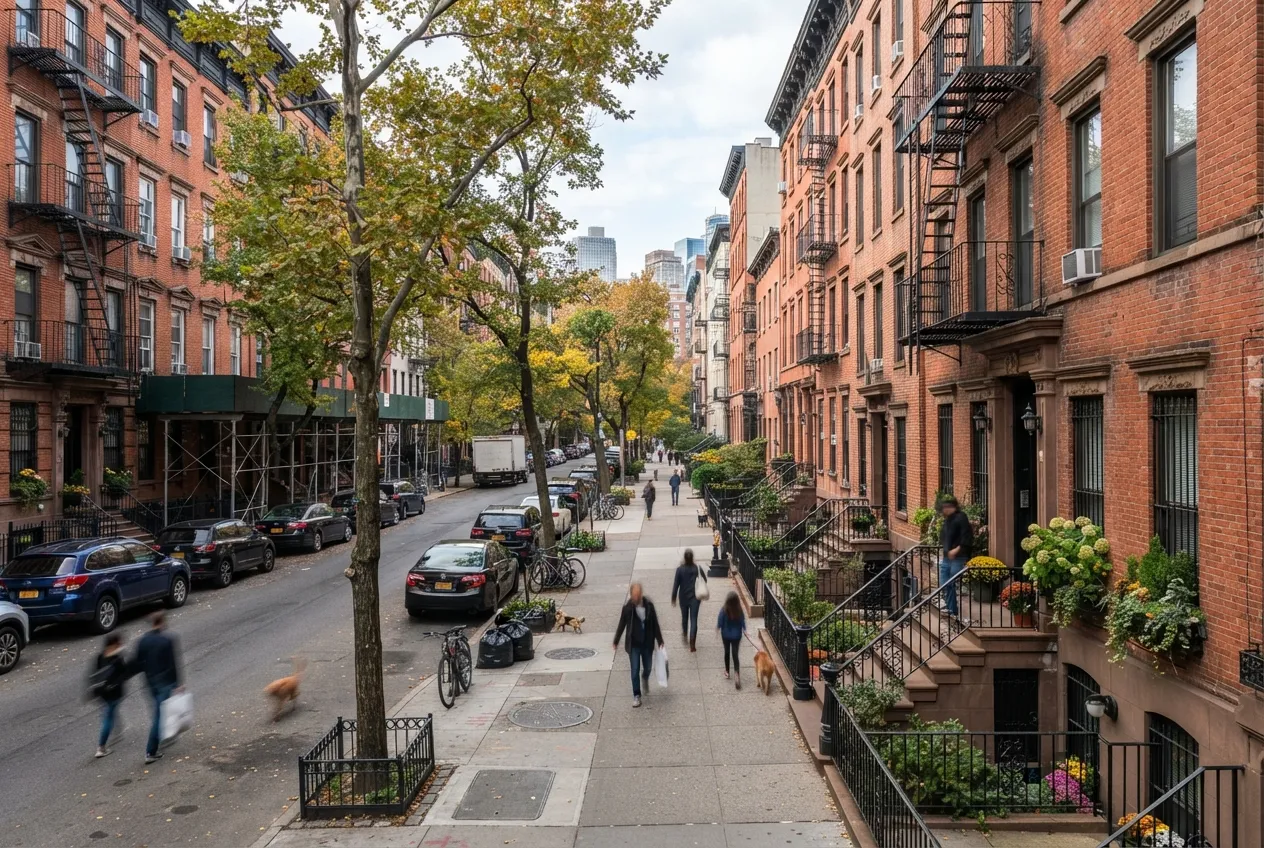
Many East Village chimneys were built long before today's boilers, water heaters, and gas appliances existed. In the neighborhood's rowhouses, brownstones, and pre-war walk-up and apartment buildings, the original masonry flue may be unlined, cracked, or the wrong size for the equipment now venting into it. A properly sized liner gives exhaust a sound, continuous path out of the building and protects the masonry around it. Apex Premier Chimney Services installs chimney liners throughout ZIP codes 10003 and 10009, about a mile east of our Manhattan office. Our certified technicians start with an inspection, explain what they find, and recommend a liner only when the chimney needs one.
Why East Village Chimneys Often Need Liners
Older masonry chimneys in this part of Manhattan have usually been through decades of freeze-thaw cycles, settling, and changes in heating equipment. Clay tile liners crack or shift, mortar joints wear away, and some flues were never lined. Gaps in a flue can let heat reach nearby wood framing and let exhaust leak into living spaces or neighboring units.
A liner also matters for performance. A flue that is too large for a modern, efficient appliance can cool the exhaust too quickly, which weakens draft and leads to condensation inside the chimney.
- Cracked, missing, or displaced clay tiles found during an inspection
- A new boiler, furnace, or water heater venting into an old flue
- Water staining, crumbling masonry, or flaking material at the base of the chimney
- Poor draft or exhaust smells inside the home
- A fireplace being restored to use after years out of service
Liners After an Oil-to-Gas Conversion
When a New York City building converts its boiler from oil to gas, the chimney has to be evaluated as part of that work. A new liner is often needed because gas exhaust produces acidic condensate that can corrode a masonry flue from the inside. In East Village rowhouses and small apartment buildings, that conversion is one of the most common reasons owners call us about liners.
We coordinate with your heating contractor so the liner is sized and connected to match the new boiler, and so the chimney work fits into the overall conversion schedule rather than holding it up.
Choosing the Right Liner
The right liner depends on the appliance, the fuel, and the shape and condition of the existing flue. Stainless steel liners are widely used for gas and oil appliances and can be run through flues with offsets, which are common in older buildings. For wood-burning fireplaces, the liner has to handle higher temperatures and be sized to the fireplace opening. In some masonry chimneys, a cast-in-place liner that forms a new flue inside the old one may be the better fit.
We explain the options that suit your chimney and appliance, including why one may work better than another, so you can make an informed decision.
How Installation Works
The NFPA 211 standard calls for a Level 2 inspection when a heating system changes, such as a new appliance or a switch of fuel, so a liner project usually begins with one. That includes examining the flue interior with a camera to check its condition, measure its dimensions, and look for offsets or obstructions.
- Inspect the chimney and flue and review findings with you
- Measure the flue and match liner size to the appliance's venting needs
- Clean the flue and remove debris or damaged tile where needed
- Install the liner with proper connections at the base and top
- Add a cap to keep out rain, debris, and animals
- Check draft and connections before the appliance goes back into service
Planning Around Heat Season
New York City's heat season runs from October 1 through May 31, when building owners must keep apartments heated to the city's minimum temperatures. If your East Village building relies on its boiler for tenants, scheduling liner work between June and September avoids pressure to keep heat running while the flue is being worked on.
Problems don't always wait for summer, though. If an inspection turns up a damaged flue during the colder months, we work with you on timing so the chimney is safe and the building can return to service as soon as possible. We also serve the nearby Lower East Side, Gramercy, Greenwich Village, SoHo, and Little Italy.
More services in East Village
- Chimney Sweep in East VillageLocal service & repairs
- Chimney Inspection in East VillageLocal service & repairs
- Chimney Repair in East VillageLocal service & repairs
- Air Duct Cleaning in East VillageLocal service & repairs