
The short answer
The NFPA 211 standard calls for chimneys, fireplaces and vents to be inspected once a year, and Gramercy homes should be inspected before the heating season. A Level 1 inspection covers routine yearly checks. A Level 2 is needed after a change such as an oil-to-gas conversion or a home sale.
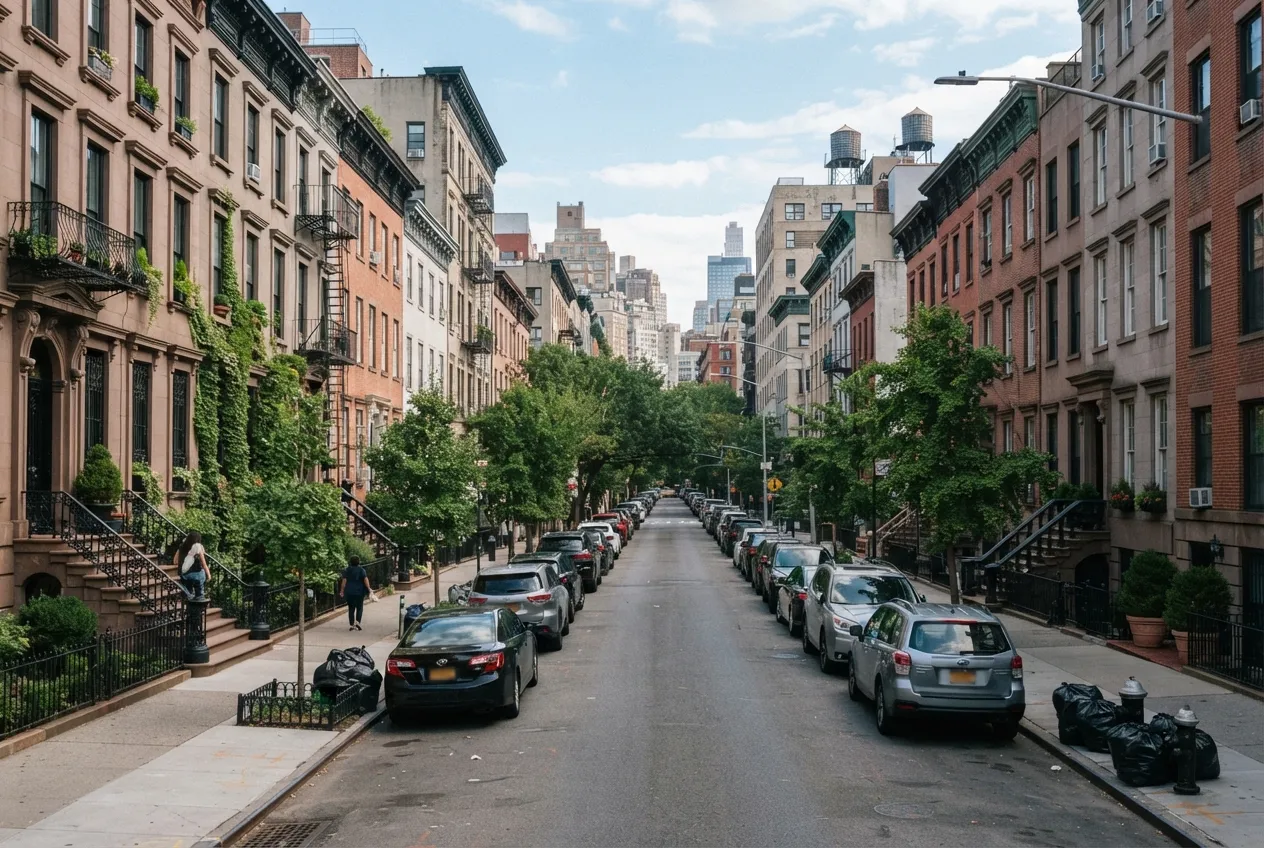
Many Gramercy homes have chimneys that are much older than the heating equipment connected to them. Brownstones and rowhouses often keep fireplaces on more than one floor, some still used and some long closed off. Pre-war apartment buildings may send a boiler or water heater's exhaust up a masonry flue that has been in service for generations. A chimney inspection shows you the condition of that system before you light a fire or start another heating season. Our certified technicians inspect chimneys throughout Gramercy and ZIP code 10010, about a mile northeast of our Manhattan office.
How often a Gramercy chimney should be inspected
The NFPA 211 standard calls for chimneys, fireplaces and vents to be inspected once a year. That applies whether you burn wood every winter weekend or rarely use the fireplace. Masonry wears down from weather, heat and exhaust even when a flue sits idle. Birds, leaves and loose mortar can also block a chimney that hasn't been used in a while.
Timing matters in New York City. The city's heat season runs from October 1 through May 31, and building owners must keep apartments heated to the city's minimum temperatures during that period. If you own a brownstone with rental units or manage a small building, schedule the inspection in late summer or early fall. That gives you time to make repairs before the boiler has to run every day.
Choosing the right inspection level
Chimney professionals use three inspection levels. The right one depends on what has changed with your home or heating system.
- Level 1: The standard yearly check when nothing about the system has changed. We examine the accessible parts of the chimney, fireplace and connections and look for blockages and buildup.
- Level 2: Needed when the system changes, such as a new boiler, furnace or stove, or a switch from one fuel to another. It is also done when a home is sold. This level goes further and usually includes a camera look inside the flue.
- Level 3: Used when a hidden hazard has to be reached by opening part of the chimney or the building, such as a wall or chase. We recommend it only when an earlier inspection points to a problem that can't be evaluated any other way.
What we check in older Manhattan chimneys
Gramercy chimneys often have long, narrow flues that pass through several floors. They may have been altered more than once over the life of the building. We look at the full path the smoke or exhaust travels and at the parts exposed to rain and freeze-thaw cycles on the roof.
- Crown, cap and flashing for cracks, gaps and missing pieces that let water in
- Exterior brick and mortar joints for spalling, erosion and leaning
- Flue liner condition, including cracks, missing tiles and gaps at the joints
- Creosote and soot buildup in wood-burning fireplaces
- Damper, firebox and smoke chamber condition
- Connector pipes from boilers and water heaters, and how they join the flue
- Blockages from nests, debris or fallen masonry
- Water stains, damp walls or odors near the fireplace or chimney
Converting from oil to gas
Many older Manhattan buildings have switched or are planning to switch their boilers from oil to gas. When a New York City building makes that conversion, the chimney has to be evaluated as part of the work. A new liner is often needed because gas exhaust produces acidic condensate that can corrode a masonry flue built for oil.
Because a fuel change alters how the system works, this is a Level 2 inspection. We check whether the existing flue is sized and lined for the new appliance and explain what the findings mean for your conversion plans.
What to expect on inspection day
We protect the floor and furniture around the fireplace before starting. We then inspect from inside the home and, where access allows, from the roof. In co-ops and multi-unit buildings, roof access often goes through building management, so let them know the date in advance.
When we're done, we walk you through what we found and explain anything that needs cleaning or repair. You'll know which items are urgent and which can be planned for later. We also inspect chimneys in nearby Greenwich Village, East Village, West Village, SoHo and Little Italy.
More services in Gramercy
- Chimney Sweep in GramercyLocal service & repairs
- Chimney Repair in GramercyLocal service & repairs
- Air Duct Cleaning in GramercyLocal service & repairs
- Chimney Liner Installation in GramercyLocal service & repairs