
The short answer
Many older Gramercy chimneys are unlined, have cracked clay tiles, or have flues too large for modern gas appliances, so a new liner is often needed. Liners are especially common during oil-to-gas boiler conversions, because gas exhaust produces acidic condensate that can corrode an unprotected masonry flue. We inspect the flue first, then recommend and install the right liner for your appliance.
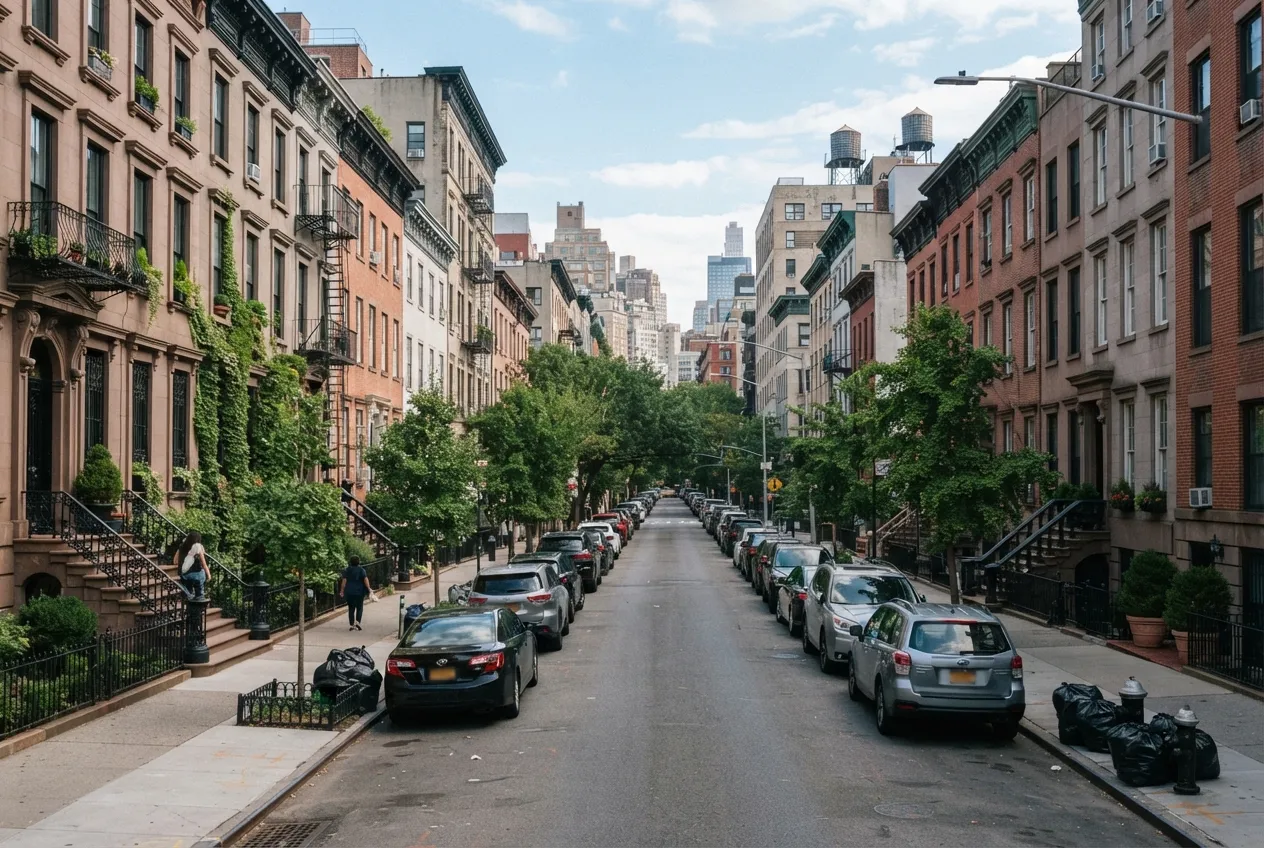
Gramercy's brownstones, rowhouses and pre-war apartment buildings often have masonry flues built long before today's boilers, furnaces and gas inserts. A chimney liner is the protective channel inside that flue that carries exhaust up and out of the building while shielding the brick and nearby framing. Apex Premier Chimney Services installs and replaces chimney liners for homes and buildings in ZIP code 10010, about a mile northeast of our Manhattan office. This page explains when a liner is needed, what the work involves, and how to plan it around the heating season.
Why Older Gramercy Chimneys Often Need a Liner
Many flues in the neighborhood are bare brick or lined with clay tile that has cracked, shifted or lost its mortar joints over many decades of use. Those gaps can let heat reach wood framing, let exhaust gases such as carbon monoxide seep into walls, and let moisture break down the masonry from the inside. In rowhouses and attached brownstones that share walls, a failing flue can affect more than one home.
Size matters too. A flue built for an open coal or wood fireplace is often much larger than a modern gas boiler or water heater needs. In an oversized flue, exhaust cools before it reaches the top, draft weakens, and condensation forms on the inner walls. A properly sized liner restores draft and keeps that moisture from soaking into the brick.
Oil-to-Gas Conversions and Your Flue
When a New York City building converts its boiler from oil to gas, the chimney has to be evaluated as part of the work. A new liner is often needed because gas exhaust produces acidic condensate that can corrode a masonry flue. If your building is planning a conversion, it helps to bring us in early so the liner can be scheduled alongside the boiler work rather than after it.
A switch of fuel or a new appliance is also one of the situations where the NFPA 211 standard calls for a Level 2 inspection, which looks more closely at the flue than a routine annual check. We include camera inspection of the flue so you can see its condition before deciding on a liner.
Liner Options We Install
The right liner depends on the appliance it serves, the flue's size and shape, and the condition of the masonry. Our certified technicians will explain which options fit your chimney and why.
- Flexible stainless steel liners, which work well in older flues with bends or offsets
- Rigid stainless steel liners for straight flues and higher-demand appliances
- Insulated stainless liners where clearance to combustible materials or weak draft is a concern
- Cast-in-place liners that coat and seal a deteriorated masonry flue from the inside
- Aluminum liners for certain gas appliances, only where the appliance manufacturer allows them
What Installation Looks Like in a Gramercy Building
Most liner jobs follow the same basic sequence, though access in walk-ups and pre-war buildings shapes the details. We coordinate roof access with owners, superintendents or building management ahead of time and keep the work area protected inside the home or boiler room.
- Inspect and photograph the existing flue, including any cracks, gaps or blockages
- Clean the flue so the liner can be installed and connected properly
- Measure the flue and match the liner diameter to the appliance's venting requirements
- Lower the liner from the roof and connect it to the appliance with the correct fittings
- Install a top plate and chimney cap to keep out rain, debris and animals
- Check draft and the connections before the appliance goes back into regular use
Planning Around the Heat Season
New York City's heat season runs from October 1 through May 31, and building owners must keep apartments heated to the city's minimum temperatures during that time. Liner work on a boiler chimney usually means the boiler is shut down for part of the job, so late spring and summer are the easiest times to schedule it. If a problem turns up in the middle of winter, we will talk through timing with you and your building so heat interruptions are kept as short as possible.
After installation, the NFPA 211 standard calls for chimneys and vents to be inspected once a year. A yearly check helps catch loose connections, debris or damage before they become larger problems.
Serving Gramercy and Nearby Neighborhoods
Along with Gramercy, we install chimney liners in Greenwich Village, East Village, West Village, SoHo and Little Italy. These neighborhoods share many of the same building types, from brownstones and rowhouses to pre-war apartment buildings with central boilers, so the flue issues we see are often similar.
More services in Gramercy
- Chimney Sweep in GramercyLocal service & repairs
- Chimney Inspection in GramercyLocal service & repairs
- Chimney Repair in GramercyLocal service & repairs
- Air Duct Cleaning in GramercyLocal service & repairs