
The short answer
Most Gramercy homes with a fireplace or heating flue should have the chimney inspected once a year, as the NFPA 211 standard calls for, and swept when the inspection finds buildup. The best time to book is before the city's heat season starts on October 1.
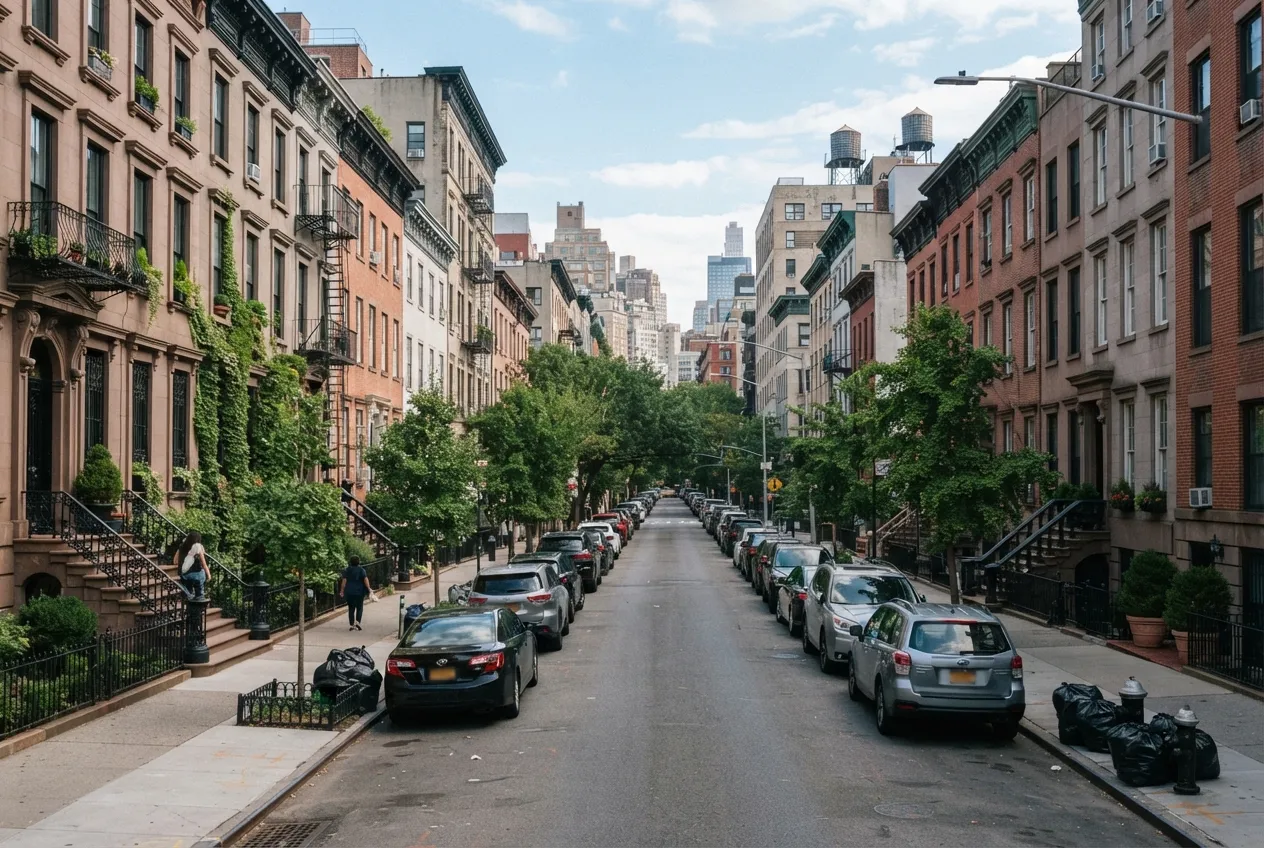
Gramercy has many working fireplaces, including brownstone parlor floors, rowhouse bedrooms and pre-war apartments that still have a usable flue. Our office is about a mile southwest, so our certified technicians can reach homes in 10010 without much travel time. A chimney sweep here involves more than brushing out soot. Older masonry, shared walls and decades of fuel changes mean each flue needs a careful look. This page covers what a sweep includes in a Gramercy home, when to schedule one and what to expect on the day.
What a Chimney Sweep Covers in a Gramercy Home
A sweep removes soot and creosote from the firebox, smoke chamber and flue so smoke and gases can leave the house freely. Creosote is the tar-like residue that wood smoke leaves behind. It can catch fire, so we take it out before it builds up.
Every sweep includes an inspection. We check the condition of the firebox, the damper, the smoke chamber and the visible flue. We tell you what we see in plain terms, so you can decide what to do next.
- Firebox, damper and smoke chamber cleaned and checked
- Flue brushed and vacuumed from below or from the roof, depending on access
- Drop cloths and HEPA vacuums to keep soot out of living areas
- A clear summary of anything that needs attention, such as cracked tiles, a damaged crown or a missing cap
Why Older Manhattan Chimneys Need Extra Attention
Many brownstones and rowhouses in Gramercy were built with several flues running up a shared stack. Over the years some fireplaces were closed off, others were reopened, and some flues were connected to boilers or water heaters. A flue that looks fine at the bottom can be blocked, cracked or partly collapsed higher up.
Pre-war apartment buildings bring their own problems. A fireplace on an upper floor may share a chimney mass with neighboring units, and a missing or broken liner can let smoke or heat into places it shouldn't go. We look for these signs and explain when a closer look is needed.
Inspection Levels and When Each One Applies
The NFPA 211 standard calls for chimneys, fireplaces and vents to be inspected once a year. Chimney professionals use three levels of inspection, and the right one depends on your situation.
- Level 1: for a chimney that hasn't changed and is used the same way as before
- Level 2: when the system changes, such as a new appliance or a switch in fuel, or when the home is being sold
- Level 3: when a suspected hidden hazard can only be reached by opening part of the chimney or the building
Oil-to-Gas Conversions and Chimney Liners
Many Manhattan buildings have switched their boilers from oil to gas. When a New York City building makes that conversion, the chimney has to be evaluated as part of the work. A new liner is often needed because gas exhaust produces acidic condensate that can corrode a masonry flue.
If your Gramercy building has converted, or a conversion is planned, tell us when you book. We can check the flue's condition and let you know whether a liner is a likely next step. That way it won't come as a surprise partway through the project.
Timing Your Sweep Around Heat Season
New York City's heat season runs from October 1 through May 31, when building owners must keep apartments heated to the city's minimum temperatures. Heating flues get steady use during those months, and fireplaces see most of their fires then too.
Late spring and summer are good times to schedule. Any repairs found during the inspection can be done before you need the fireplace or the boiler again. We also serve nearby Greenwich Village, East Village, West Village, SoHo and Little Italy, so neighbors in buildings with shared chimneys can coordinate their visits.
More services in Gramercy
- Chimney Inspection in GramercyLocal service & repairs
- Chimney Repair in GramercyLocal service & repairs
- Air Duct Cleaning in GramercyLocal service & repairs
- Chimney Liner Installation in GramercyLocal service & repairs