
The short answer
Older masonry chimneys in Two Bridges often have cracked clay tile liners or no liner, and boilers converted from oil to gas usually need a new one to resist acidic condensate. Apex Premier Chimney Services inspects the flue, sizes a liner to your boiler, furnace, water heater or fireplace, and installs it so exhaust leaves the building safely.
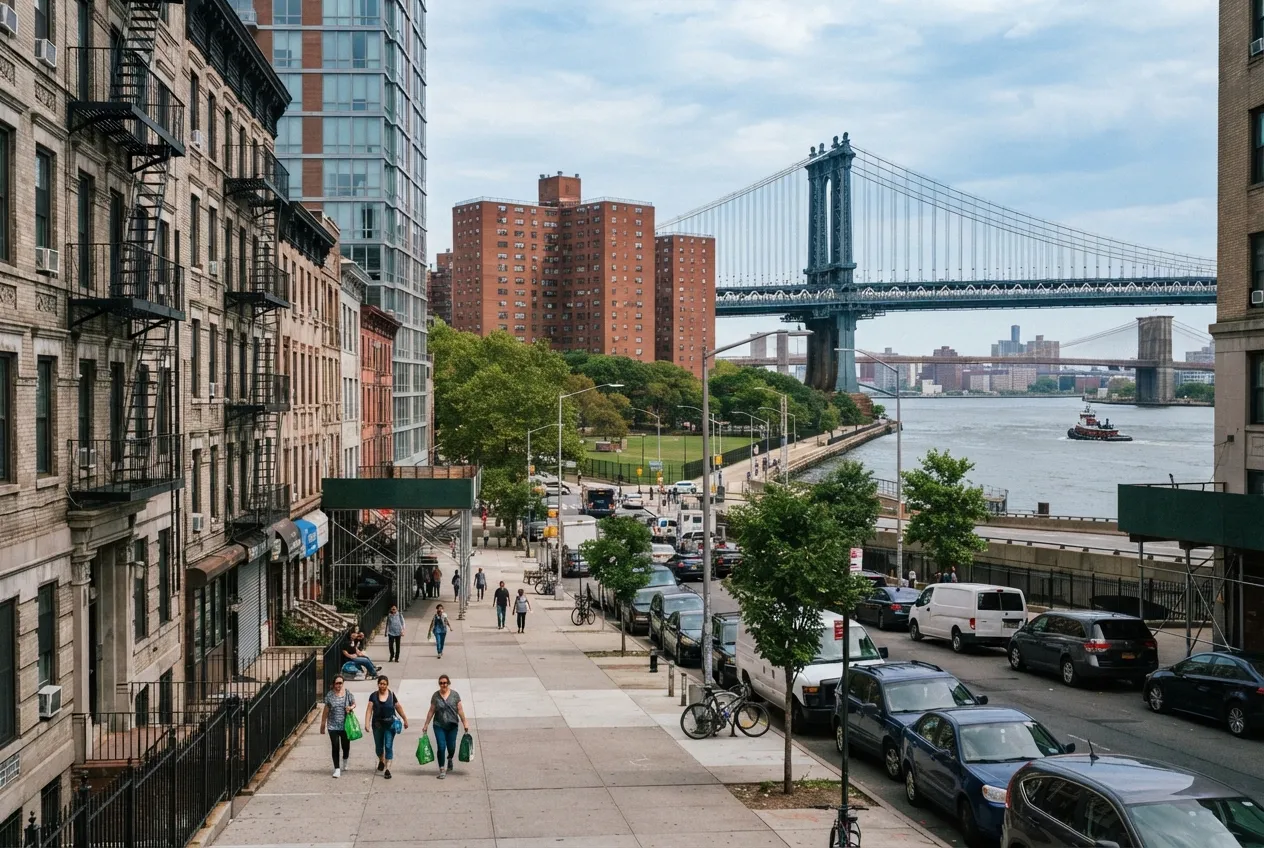
A chimney liner is the protective channel inside a flue. It carries smoke and exhaust gases out of the building and shields the surrounding brick from heat, moisture and corrosive byproducts. Much of the housing in Two Bridges is older masonry: pre-war apartment buildings, walk-ups, and mixed-use buildings with shops at street level and apartments above. Many of their flues were built with clay tile liners, or with no liner at all, and decades of heating seasons have worn them down. Apex Premier Chimney Services installs new chimney liners for homeowners and building owners in Two Bridges, about a mile south of our Manhattan office. Our certified technicians start with an inspection, explain what the flue needs, and install a liner sized to the appliance it will serve.
Why Liners Wear Out in Older Two Bridges Buildings
Clay tile liners crack under repeated heating and cooling. The mortar joints between tiles erode over time, and water that gets in through a worn crown or a missing cap speeds up the damage. Once a liner has gaps, heat and exhaust can reach the brick and the building framing around it. Carbon monoxide can also leak into living space instead of venting out the top.
In buildings where one chimney serves a central boiler, the flue runs past several floors of apartments. A failing liner in that setup affects everyone in the building, not just one unit. The same holds for a brownstone or rowhouse where a single chimney runs through every floor of the home.
- Pieces of tile or flaky debris at the base of the chimney or in the cleanout
- White staining or crumbling brick on the outside of the chimney
- Damp spots or water stains on walls next to the flue
- Rust or corrosion on the boiler's vent connector
- A strong odor from the fireplace or near the boiler
Oil-to-Gas Boiler Conversions and Your Flue
When a New York City building converts its boiler from oil to gas, the chimney has to be evaluated as part of the work. A new liner is often needed. Gas exhaust produces acidic condensate, and that condensate can corrode a masonry flue that handled oil heat without trouble for years.
We inspect the chimney, measure the flue, and work out the liner size the new gas boiler requires. A liner that is too large can let exhaust cool and condense. A liner that is too small can restrict venting. We coordinate with your heating contractor so the liner is in place and the system can run safely.
How We Install a Chimney Liner
The NFPA 211 standard calls for chimneys, fireplaces and vents to be inspected once a year. It also calls for a deeper Level 2 inspection when the system changes, such as a new appliance or a switch of fuel, or when a home is sold. Most liner jobs begin with that Level 2 inspection, which includes a camera look inside the flue.
After the inspection we recommend a liner type based on the appliance, the fuel and the condition of the existing flue.
- Inspect the flue and document cracks, gaps and blockages
- Measure the height and inside dimensions of the flue
- Match the liner type and size to the boiler, furnace, water heater or fireplace
- Clean the flue and remove loose debris before installation
- Lower the liner from the top, then connect and seal it at both ends
- Add a cap, then check that the appliance drafts and vents properly
Planning Around Heat Season
New York City's heat season runs from October 1 through May 31. During those months, building owners must keep apartments heated to the city's minimum temperatures. A boiler can't be shut down for long during that stretch, so liner work for multi-unit buildings is easier to schedule in late spring and summer.
If an inspection during the heating months turns up a damaged liner, we explain the risk plainly. Then we work with you on timing that keeps tenants or your household safe and warm.
Serving Two Bridges and Nearby Neighborhoods
Our crews work throughout Two Bridges and the surrounding area, including Chinatown, the Lower East Side, Tribeca, Civic Center and SoHo. These neighborhoods share a lot of the same older masonry housing. We know how to plan roof access, equipment and cleanup in tight walk-ups and occupied apartment buildings.
More services in Two Bridges
- Chimney Sweep in Two BridgesLocal service & repairs
- Chimney Inspection in Two BridgesLocal service & repairs
- Chimney Repair in Two BridgesLocal service & repairs
- Air Duct Cleaning in Two BridgesLocal service & repairs