
The short answer
Air duct cleaning makes sense in a Chinatown home when there is substantial visible mold, signs of vermin, or excessive dust and debris in the ducts. We inspect your system first and clean it only when it needs it. If your ducts look reasonably clean, we will tell you so.
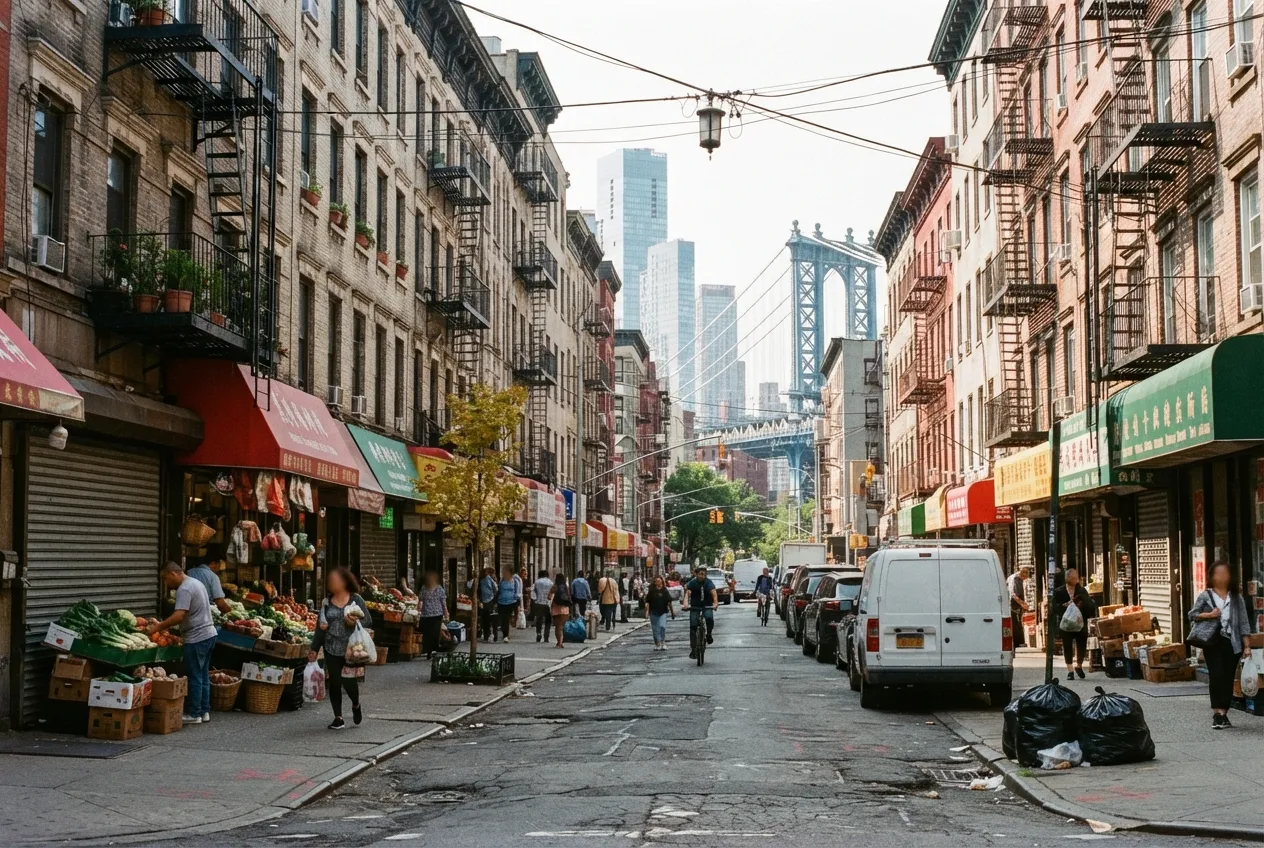
Many Chinatown homes are in pre-war walk-ups, tenement-style buildings, and mixed-use buildings with apartments above street-level shops. Some of these units gained ducted heating or cooling during a renovation. Many others rely on radiators and have only a bathroom or kitchen exhaust duct. Apex Premier Chimney Services is based about a mile north of the neighborhood in Manhattan. Our certified technicians start every Chinatown duct job by finding out what your apartment or house actually has before recommending any cleaning.
What Ductwork Looks Like in Chinatown Homes
Duct systems in this part of Lower Manhattan vary from building to building. A renovated condo may have a ducted central system or a ducted mini-split running through dropped ceilings and soffits. An older walk-up may have no supply ducts at all. Its heat comes from steam or hot-water radiators, and its only duct is a short exhaust run serving the bathroom or kitchen. Gut-renovated rowhouses sometimes have a full forced-air system tucked into closets and a top-floor mechanical space.
Because of this variety, we look before we recommend any work. We check where the supplies and returns are and how air moves from the air handler. We also find where exhaust ducts end, and which parts you can reach from inside your unit versus which belong to the building. That last point matters in co-ops and rentals, where shared risers and roof fans are usually the building's responsibility.
When Duct Cleaning Is Worth It, and When It Isn't
We follow the U.S. EPA's guidance. The agency advises cleaning air ducts when there is substantial visible mold growth, signs of vermin, or excessive dust and debris. It also notes that duct cleaning has not been shown to prevent health problems. For that reason, we won't sell it to you as a cure for allergies or headaches. These are the conditions we look for:
If your ducts look reasonably clean, we will say so. We may suggest simpler steps instead, like changing filters on schedule or wiping down registers and grilles.
- Visible mold growth inside ducts or on parts of the air handler
- Evidence of mice, insects, or nesting material in the ductwork
- Dust or debris that puffs out of registers or builds up quickly after you clean
- Construction dust left behind by renovation work in your unit or a neighboring one
How We Clean Ducts in Apartments and Older Buildings
Tight, occupied buildings call for a tidy, contained process. We protect floors and furnishings and seal off the registers we aren't working on. Then we put the system under negative pressure, so loosened dust is pulled into collection equipment instead of drifting into your living space. Rotating brushes and air tools break debris free from the supply and return runs. We also clean the registers, the grilles, and the reachable parts of the air handler.
As the EPA recommends, we are careful with chemical treatments. We do not spray sanitizers or coatings into ducts by default. If a treatment ever comes up, we explain what it is and why it would be used, and the decision is yours. A typical visit includes:
- Inspection of supplies, returns, and the air handler
- Containment and negative-pressure collection
- Mechanical cleaning of reachable duct runs
- Before-and-after photos so you can see what was removed
Timing Your Appointment Around Heat Season
New York City's heat season runs from October 1 through May 31. If your apartment has ducted heating, late summer or early fall is a practical time for an inspection, and a cleaning if one is needed, before you rely on the system for months. For homes with central cooling, spring works well, before the air conditioning starts running every day.
In co-ops, condos, and rental buildings, we can coordinate with management or the super for access to shared mechanical spaces, roof exhausts, or service elevators. Before booking, check your building's rules on contractor hours and any paperwork it requires.
Serving Chinatown and Nearby Neighborhoods
Our Manhattan office is close by, so we regularly work in Chinatown and the surrounding areas, including Two Bridges, the Lower East Side, Tribeca, Civic Center, and SoHo. The housing mix is similar across these neighborhoods: pre-war apartment buildings, converted lofts, walk-ups, and renovated rowhouses, each with its own duct layout.
If you also have a fireplace or an appliance that vents through a chimney, we can look at it on the same visit. The NFPA 211 standard calls for chimneys, fireplaces, and vents to be inspected once a year.
More services in Chinatown
- Chimney Sweep in ChinatownLocal service & repairs
- Chimney Inspection in ChinatownLocal service & repairs
- Chimney Repair in ChinatownLocal service & repairs
- Chimney Liner Installation in ChinatownLocal service & repairs