
The short answer
Chimney repair in Chinatown usually means fixing worn brick and mortar, cracked crowns, leaking flashing, or a flue liner damaged by boiler exhaust. Apex Premier Chimney Services inspects the chimney first, explains what is wrong and why, and then repairs it so it vents safely and keeps water out.
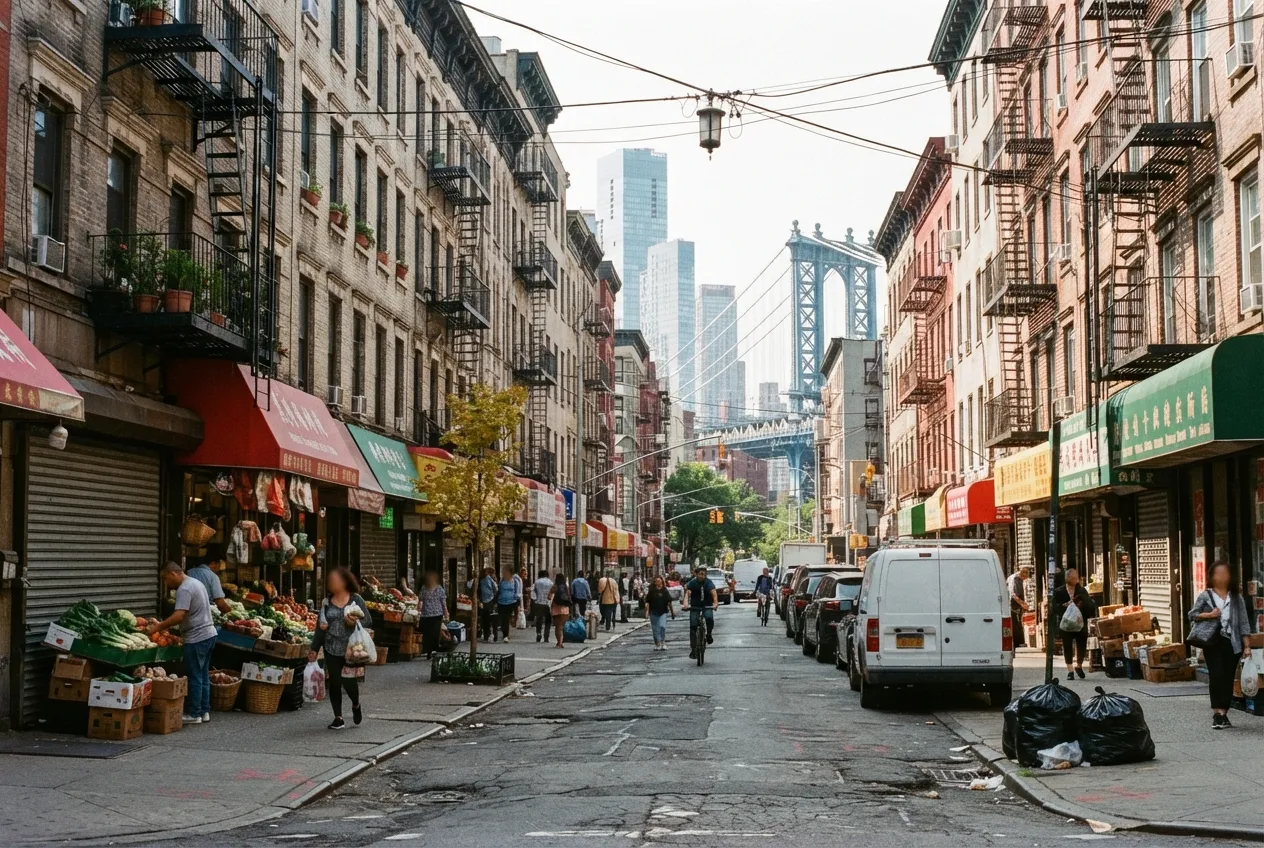
Chimneys in Chinatown work hard. Many sit on older walk-up buildings, mixed-use buildings with shops below and apartments above, and pre-war masonry structures. Decades of freeze-thaw cycles, boiler exhaust and roof traffic take a toll on them. Apex Premier Chimney Services is based in Manhattan, about a mile north of the neighborhood. Our certified technicians repair chimney masonry, crowns, flashing, caps and flue liners for homeowners and building owners here. We also serve nearby Two Bridges, the Lower East Side, Tribeca, Civic Center and SoHo. This page covers the repairs we see most often on Chinatown buildings and how we approach them.
Common Chimney Problems on Chinatown Buildings
Most chimneys in Chinatown are brick. Many have been in service for generations. Masonry holds up well, but it does not last forever. Water is the main enemy. It soaks into porous brick and mortar, freezes in winter, and slowly pushes the masonry apart. On tightly packed blocks, chimneys often share walls or roof lines with neighboring buildings. Leaks and loose brick can affect more than one property.
These are the problems we find most often:
- Crumbling or missing mortar joints that let water into the chimney and the building
- Spalling brick, where the face of the brick flakes or pops off
- Cracked or eroded chimney crowns that let rain run straight into the masonry
- Failed flashing where the chimney meets the roof, a frequent source of ceiling and wall stains
- Missing or rusted chimney caps that allow rain, debris and birds into the flue
- Cracked, deteriorated or missing flue liners, especially in chimneys venting boilers
Flue Liners and Oil-to-Gas Boiler Conversions
Many buildings in Chinatown and across Manhattan heat with central boilers. More and more of them are switching from oil to gas. When a New York City building converts its boiler from oil to gas, the chimney has to be evaluated as part of the work. A new liner is often needed. Gas exhaust produces acidic condensate, and that condensate can corrode an unlined or old masonry flue from the inside.
Liner damage is hard to spot from the roof or the basement. Signs include crumbling tile or mortar at the base of the flue, staining on interior walls near the chimney, and poor draft at the appliance. We use camera inspection to look inside the flue. Then we recommend a liner sized for the appliance it serves, so exhaust leaves the building the way it should.
How We Handle a Chimney Repair
Every repair starts with an inspection. The NFPA 211 standard calls for chimneys, fireplaces and vents to be inspected once a year. Chimney professionals use three levels of inspection:
We explain what we found in plain language and show you photos when we can. We tell you which repairs are urgent and which can be planned for later. Then we do the work: repointing, brick replacement, crown rebuilding, flashing repair, cap installation or relining. When we finish, we check that the chimney drafts properly and sheds water.
- Level 1 is a routine check when nothing about the system has changed.
- Level 2 is used when the system changes, such as a new appliance or a fuel switch, or when a property is sold. A boiler conversion usually calls for this level.
- Level 3 is used when a suspected hidden hazard can only be reached by opening part of the chimney or building.
Timing Repairs Around the Heat Season
New York City's heat season runs from October 1 through May 31. During those months, building owners must keep apartments heated to the city's minimum temperatures. In a building where the boiler vents through the chimney, a chimney problem in the middle of winter can become a heating problem fast.
For that reason, we suggest scheduling inspections and planned repairs before October, ideally in late spring or summer. Masonry work also cures better in moderate weather. If something does go wrong during the heat season, we work with you to set priorities. The goal is to keep the system venting safely while you plan a longer-term fix.
Working in a Dense Neighborhood
Chimney work in Chinatown comes with practical challenges. Streets are busy, sidewalks are crowded, and roof access may run through a shared stairwell or hatch. Many buildings have businesses on the ground floor. We plan roof access ahead of time, protect interior hallways and storefronts from dust and debris, and keep the work area tidy. Before we start, we talk with you about access, timing and tenant notice, so the job causes as little disruption as possible.
More services in Chinatown
- Chimney Sweep in ChinatownLocal service & repairs
- Chimney Inspection in ChinatownLocal service & repairs
- Air Duct Cleaning in ChinatownLocal service & repairs
- Chimney Liner Installation in ChinatownLocal service & repairs