
The short answer
A chimney liner is a sealed channel inside the flue that carries exhaust safely out and protects the masonry. In Chinatown's older buildings, liners are most often needed after an oil-to-gas boiler conversion, when a flue is cracked or deteriorated, or when a new appliance is connected.
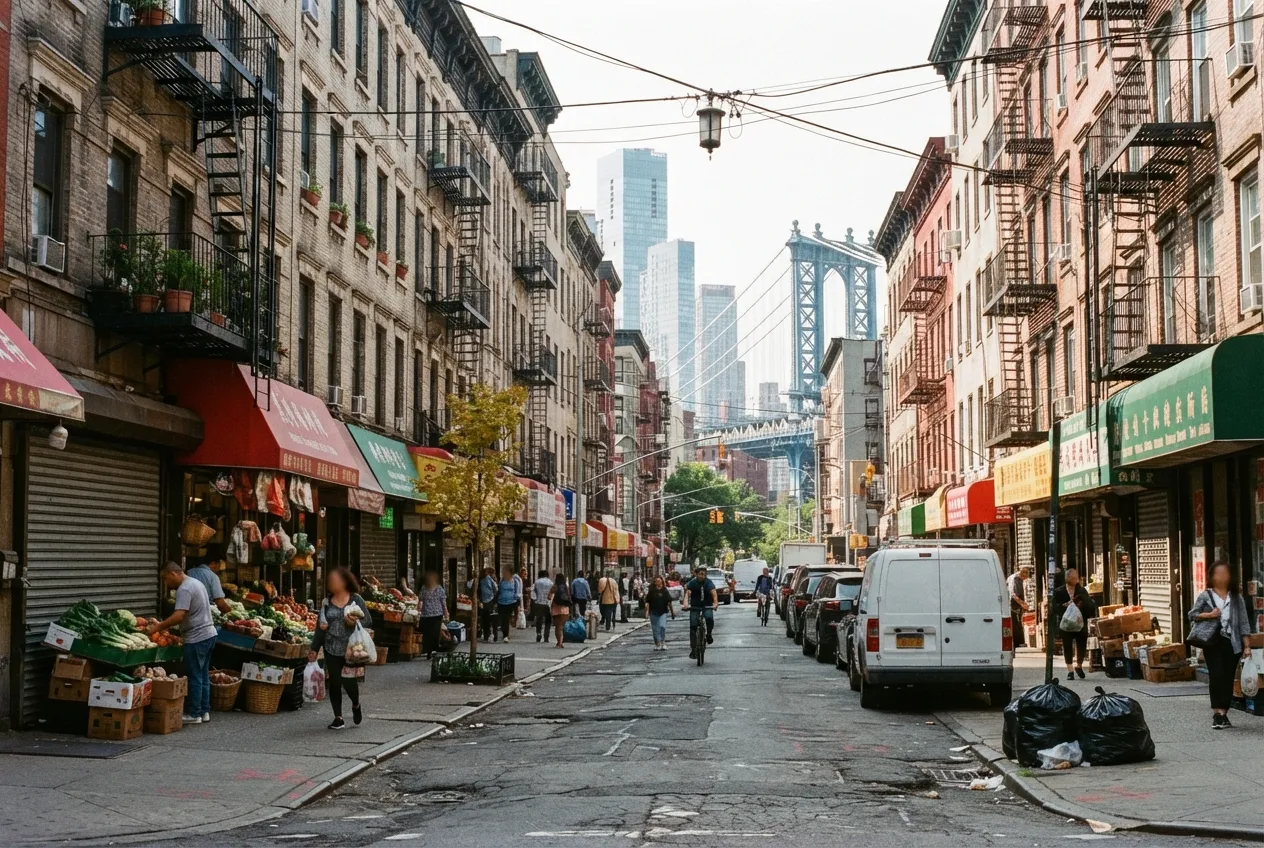
Many buildings in Chinatown were put up long before modern heating equipment existed. Tenement-style walk-ups, pre-war apartment buildings and mixed-use buildings with shops on the ground floor often still vent boilers, water heaters or fireplaces through original masonry flues. Those flues were built for a different era of fuel and draft, and many are now cracked, oversized or worn through. A properly sized chimney liner gives exhaust a sound, continuous path out of the building and protects the masonry around it. Apex Premier Chimney Services installs chimney liners throughout Chinatown, about a mile south of our Manhattan office, and our certified technicians handle the job from inspection through final check.
Why Chinatown Buildings Often Need New Liners
Older masonry chimneys in this part of Manhattan were commonly built with clay tile liners, or with no liner at all. Decades of heat, moisture and freeze-thaw cycles can crack tiles, loosen mortar joints and leave gaps where exhaust and heat reach the surrounding brick. In buildings where several units share walls and the flue runs past apartments on every floor, a failing flue is more than a maintenance problem. It can let combustion gases escape where they don't belong.
Size matters too. A flue built for a large coal or oil boiler is often far too big for a modern, efficient appliance. Exhaust from a smaller unit cools as it rises through an oversized flue, which weakens draft and causes condensation. A liner matched to the appliance restores proper draft and keeps moisture from soaking into the masonry.
Oil-to-Gas Conversions and Your Chimney
Many Chinatown building owners have switched, or are planning to switch, their boilers from oil to gas. When a New York City building converts from oil to gas, the chimney has to be evaluated as part of the work, and a new liner is often needed. Gas exhaust produces acidic condensate, and that moisture can corrode an unlined or tile-lined masonry flue over time.
A change of fuel or a new appliance also calls for a Level 2 chimney inspection, the more detailed of the routine inspection levels. We perform that inspection, including a camera scan of the flue interior, so you know the condition of the chimney before the liner is chosen. If the inspection points to a hidden problem that can only be reached by opening part of the chimney or wall, that becomes a Level 3 inspection, and we'll explain why before any opening is made.
How We Install a Chimney Liner
Every building is different, but most liner installations in Chinatown follow the same basic steps. We plan around tenants, storefronts and roof access so the work causes as little disruption as possible.
- Inspect the chimney top to bottom, including a video scan of the flue
- Confirm which appliances vent into the flue and size the liner to match them
- Clean the existing flue to remove soot, scale and debris
- Lower the liner from the roof and connect it to the appliance at the base
- Install a top plate, rain cap and any insulation the liner system calls for
- Test draft and confirm exhaust is moving out of the building properly
Choosing the Right Liner Type
Stainless steel liners are the most common choice for gas and oil appliances because they resist corrosion and can be fed down existing flues, including ones with slight offsets. Rigid stainless liners work well in straight runs, while flexible stainless liners handle bends. For some wood-burning fireplaces, a poured or cast-in-place liner may be a better fit because it can also reinforce a weakened flue.
We'll recommend a liner based on the fuel, the appliance, the flue's shape and its condition. If one chimney serves more than one appliance, we'll explain whether a shared liner is suitable or whether separate venting makes more sense.
Scheduling Around Heat Season
New York City's heat season runs from October 1 through May 31, when building owners must keep apartments heated to the city's minimum temperatures. A boiler that can't run because its flue has failed is a serious problem during those months. Planning a liner installation in late spring or summer gives you time to complete the work, test the system and go into fall with confidence.
The NFPA 211 standard calls for chimneys, fireplaces and vents to be inspected once a year, so a yearly inspection is a good time to check how an existing liner is holding up. Along with Chinatown, we install liners in Two Bridges, the Lower East Side, Tribeca, Civic Center and SoHo.
More services in Chinatown
- Chimney Sweep in ChinatownLocal service & repairs
- Chimney Inspection in ChinatownLocal service & repairs
- Chimney Repair in ChinatownLocal service & repairs
- Air Duct Cleaning in ChinatownLocal service & repairs