
The short answer
Chimneys in Chinatown should be inspected once a year, as the NFPA 211 standard recommends, and before any change in heating equipment or fuel. Apex Premier Chimney Services performs Level 1, Level 2 and Level 3 inspections for Chinatown homes and buildings and explains the findings in plain terms.
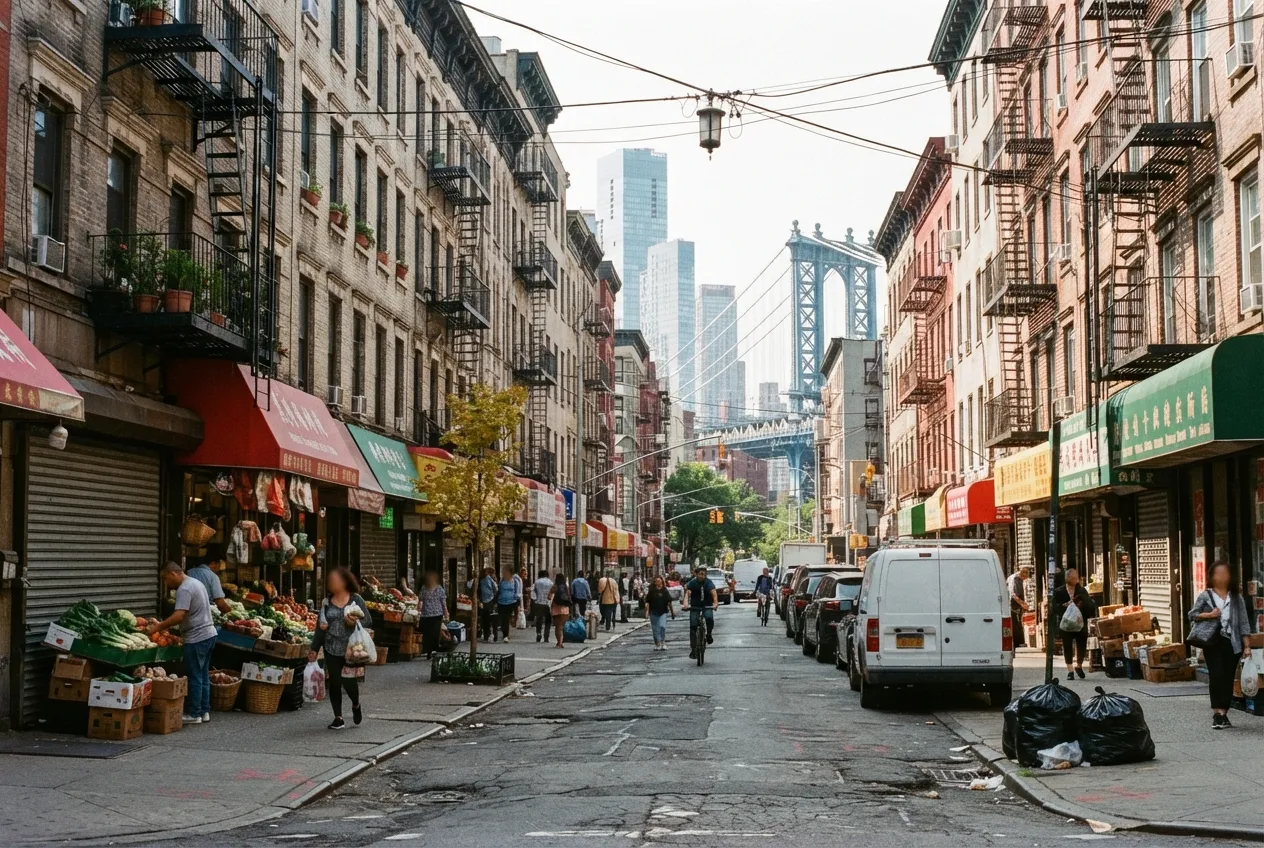
Many Chinatown homes sit in older masonry buildings: walk-up apartment buildings, pre-war apartment buildings, and mixed-use buildings with shops on the street level and apartments above. A lot of these chimneys have served more than one kind of heating system over the decades. Some vented coal-era fireplaces, then oil boilers, and now gas equipment. Each change leaves its own wear on the flue. Apex Premier Chimney Services sends certified technicians from our Manhattan office, about a mile north, to inspect chimneys, fireplaces and vents in Chinatown. We tell you plainly what condition they are in and what, if anything, needs attention.
What a Chimney Inspection Covers
The NFPA 211 standard calls for chimneys, fireplaces and vents to be inspected once a year. Inspectors use three levels, and the right one depends on what has happened to your system since its last check.
Most Chinatown homeowners need a Level 1 inspection. If you have changed equipment, switched fuel, or are buying or selling, a Level 2 inspection is the right one. We will tell you which level fits your situation before we start.
- Level 1: for chimneys in regular use with no changes. We examine the accessible parts of the chimney, firebox, damper and connections for damage, blockages and buildup.
- Level 2: for a new appliance, a change of fuel, or a home sale. It goes further and includes a camera inspection of the flue's interior.
- Level 3: for cases where a hidden hazard has to be reached by opening part of the chimney or the building. We recommend this level only when earlier findings point to a concealed problem.
Why Older Chinatown Buildings Need Close Attention
Masonry chimneys in older walk-ups and pre-war buildings have been through a lot. Freeze-thaw cycles, decades of exhaust, and patch repairs over time can open cracks in flue tiles, loosen mortar joints, and wear down crowns and caps. In tightly packed blocks, a chimney may share walls with neighboring buildings or run past several apartments on its way to the roof. That makes interior damage easy to miss and important to find.
Mixed-use buildings bring their own concerns. A flue that serves the apartments upstairs may run close to commercial space below. Changes made for a ground-floor business can affect how the whole system performs. During an inspection we look at how the chimney connects to the appliances it serves and whether anything has been altered since the last check.
Oil-to-Gas Conversions and Liners
Many buildings in Lower Manhattan have converted their boilers from oil to gas. When a New York City building makes that change, the chimney has to be evaluated as part of the work. A new liner is often needed, because gas exhaust produces acidic condensate that can corrode a masonry flue that was built or lined for oil.
If your building has converted, or is planning to, a Level 2 inspection shows whether the existing flue suits the new equipment. We report what we find in clear terms so you or your contractor can plan the next step.
Timing Around Heat Season
New York City's heat season runs from October 1 through May 31. During that time building owners must keep apartments heated to the city's minimum temperatures. A chimney problem found in January can put that heat at risk.
Scheduling your inspection in late summer or early fall gives you time to handle any repairs before the boiler has to run steadily. Homeowners with wood-burning fireplaces benefit from the same timing, so the flue is checked before the first fire of the season.
What to Expect From Our Visit
We protect the area around the fireplace or appliance before we start, then inspect the system at the level you need. Afterward we walk you through what we saw, including photos or camera footage when we take them. We explain any concerns, from minor wear to conditions that should be fixed before the chimney is used again.
We serve homeowners and building owners throughout Chinatown, along with nearby Two Bridges, the Lower East Side, Tribeca, the Civic Center and SoHo.
More services in Chinatown
- Chimney Sweep in ChinatownLocal service & repairs
- Chimney Repair in ChinatownLocal service & repairs
- Air Duct Cleaning in ChinatownLocal service & repairs
- Chimney Liner Installation in ChinatownLocal service & repairs