
The short answer
The NFPA 211 standard calls for chimneys, fireplaces and vents to be inspected once a year, and that includes older Greenwich Village brownstones and pre-war buildings. Most homes need a Level 1 inspection. A Level 2 inspection applies when you change appliances or fuel, such as an oil-to-gas boiler conversion, or when the home is sold.
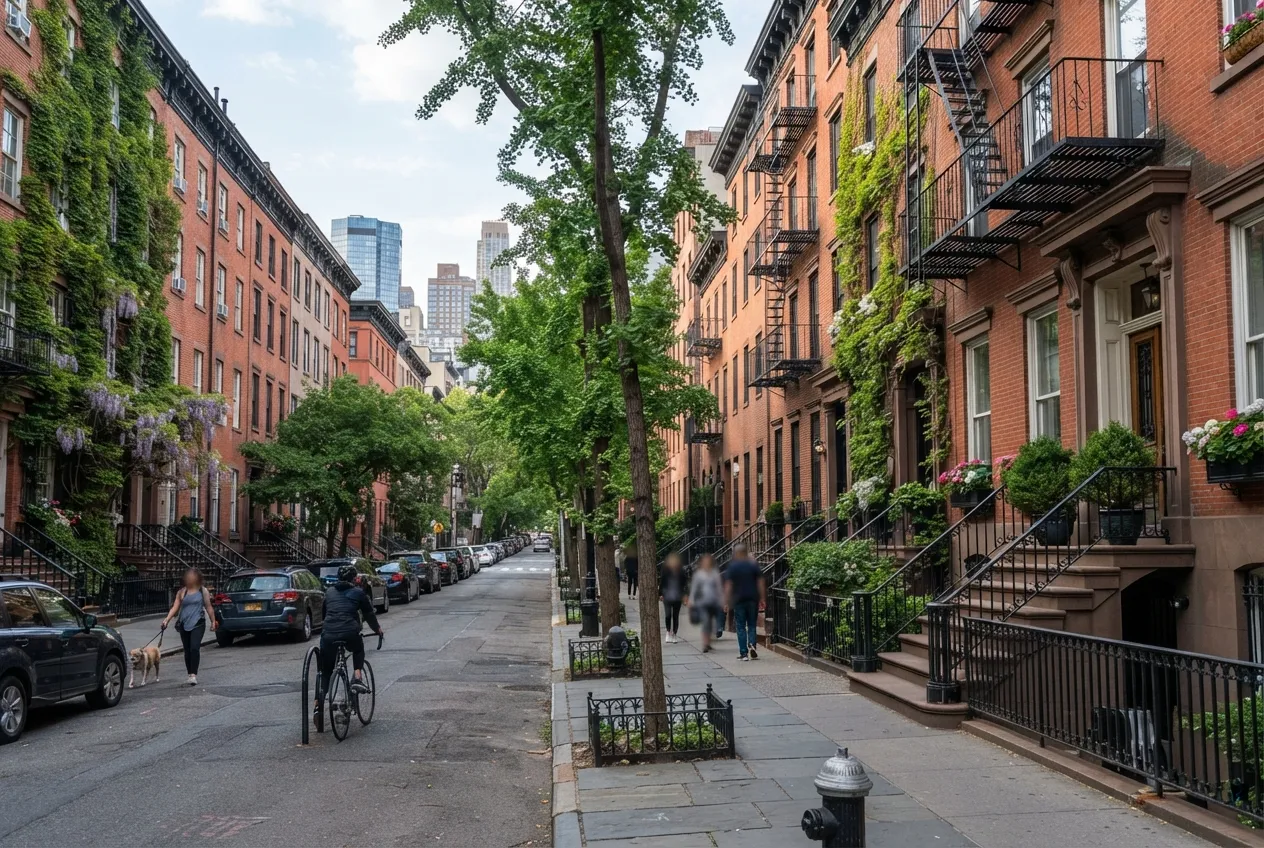
Greenwich Village has brownstones, rowhouses, converted townhouses and pre-war apartment buildings. Many of them still have working fireplaces, and many of their chimneys also vent boilers, furnaces or water heaters. These chimneys are often old, tall and shared between floors, so you can't tell much about their condition from inside the living room. Apex Premier Chimney Services is about a mile from Greenwich Village, at our Manhattan office. Our certified technicians inspect chimneys, fireplaces and vents for homeowners and building owners throughout the neighborhood. This page covers what an inspection involves, which level your home is likely to need, and when to schedule one.
Why Greenwich Village Chimneys Need a Yearly Look
The NFPA 211 standard calls for chimneys, fireplaces and vents to be inspected once a year. That schedule fits the Village well. Much of the housing here predates modern flue liners. Over a long life, a masonry chimney can lose mortar, collect soot and creosote, or have its liner crack without any visible sign indoors.
Rowhouses and brownstones often have several flues running side by side through a shared chimney mass. Some serve fireplaces on different floors, and others vent the heating system in the cellar. An inspection checks each flue you use and confirms it is clear and intact. It also confirms that exhaust leaves the building instead of finding its way into a neighboring flue or a living space.
Choosing the Right Inspection Level
Chimney professionals use three inspection levels. The right one depends on what has changed in your home since the last inspection, not on the age of the building.
- Level 1: Use this when nothing has changed. The chimney, fireplace and connected appliance are being used the same way as before, and the technician checks the readily accessible parts.
- Level 2: Use this when the system changes, such as a new boiler, a new stove or insert, or a switch from oil to gas. It also applies when the home is sold. This level is a more detailed evaluation and typically includes a camera inspection of the flue's interior.
- Level 3: Use this when a hidden hazard can only be reached by opening part of the chimney or the building. It is reserved for situations where an earlier inspection points to a concern that can't be confirmed any other way.
Oil-to-Gas Conversions in Village Buildings
Many pre-war apartment buildings and townhouses in Greenwich Village were originally heated with oil. When a New York City building converts its boiler from oil to gas, the chimney has to be evaluated as part of the work. Gas exhaust produces acidic condensate that can corrode a masonry flue, so a new liner is often needed.
If your building is planning a conversion, or has completed one without the chimney being looked at, we can carry out the Level 2 inspection the change calls for. We will show you what the flue looks like inside and explain whether the existing liner is suitable for gas or needs to be replaced.
What We Check During an Inspection
Exactly what we check depends on the level and on how your chimney is accessed. A typical inspection in a Village home covers the following:
- Firebox, damper and smoke chamber of each fireplace in use
- Soot and creosote buildup on the flue walls
- Visible condition of the flue liner, including cracks, gaps or missing sections
- Connection between the boiler, furnace or water heater and the chimney
- Chimney crown, cap and exterior masonry, where they can be reached safely
- Signs of water entry, nesting animals or debris blocking the flue
Timing Your Inspection Around the Heat Season
New York City's heat season runs from October 1 through May 31. During that period, building owners must keep apartments heated to the city's minimum temperatures. That makes late spring and summer a practical time to inspect a chimney that serves a boiler. If the inspection turns up repairs or a liner replacement, there is time to complete the work before the heat has to stay on.
Fireplace owners benefit from the same timing. An inspection before the first cold snap leaves room to schedule cleaning or repairs without waiting through the fall rush.
Along with Greenwich Village, we inspect chimneys in nearby SoHo, Little Italy, Hudson Square, the West Village and Gramercy.
More services in Greenwich Village
- Chimney Sweep in Greenwich VillageLocal service & repairs
- Chimney Repair in Greenwich VillageLocal service & repairs
- Air Duct Cleaning in Greenwich VillageLocal service & repairs
- Chimney Liner Installation in Greenwich VillageLocal service & repairs