
The short answer
A chimney inspection in SoHo checks the flue, liner, firebox, damper and rooftop components so you know whether the system is safe to use. The NFPA 211 standard calls for an inspection once a year. We'll recommend Level 1, 2 or 3 depending on whether anything has changed with your chimney or home.
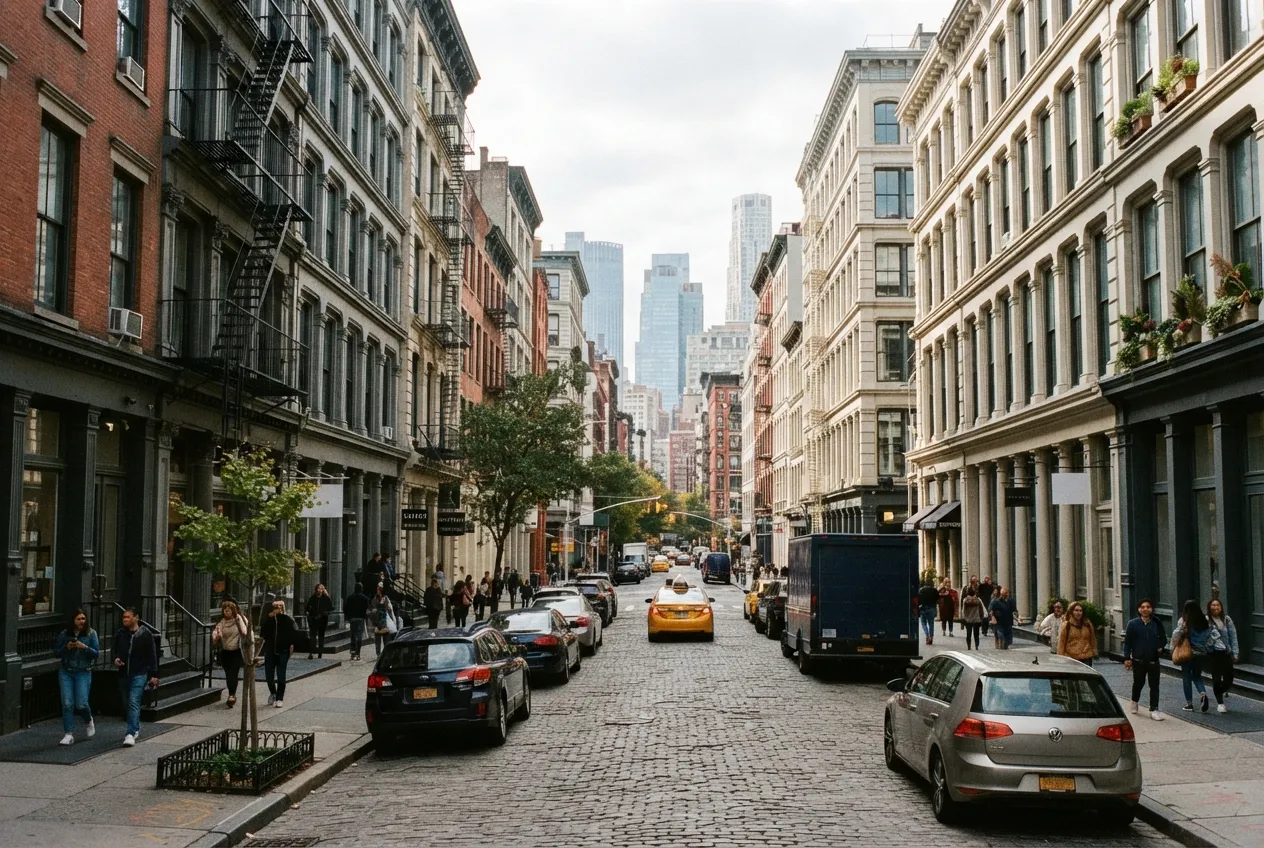
Apex Premier Chimney Services is based at 113 Greene St in SoHo, so our certified technicians don't have far to travel to inspect a chimney in this neighborhood. SoHo's housing ranges from converted loft buildings to older townhouses and pre-war apartment buildings. Many have fireplaces and flues that were altered, relined, sealed off or left unused at some point. An inspection tells you the actual condition of your chimney before you light a fire, change a heating appliance, or buy or sell a home. This page explains how inspection levels work, what we look for in SoHo homes, and what you get when we're done.
Which Inspection Level Your Chimney Needs
The NFPA 211 standard calls for chimneys, fireplaces and vents to be inspected once a year. Chimney professionals use three inspection levels, and the right one depends on your situation, not on how much work anyone wants to sell you.
When you contact us, we'll ask how you use the fireplace or appliance, whether anything has changed, and whether the home is being sold. Then we'll tell you which level fits and why.
- Level 1: for chimneys in regular use where nothing has changed. We examine the accessible parts of the chimney, the fireplace or appliance, and the connections.
- Level 2: for when the system changes, such as a new appliance or a switch of fuel, or when the home is sold. This includes a camera inspection of the flue's interior.
- Level 3: for when a hidden hazard has to be reached by opening part of the chimney or building. We recommend this only when a Level 1 or 2 inspection points to a problem we can't otherwise see.
What We Check in SoHo Lofts, Townhouses and Pre-War Buildings
Older Manhattan buildings often have long flues that pass through several floors. Fireplaces may have been closed up for years and then reopened. Some loft conversions added wood-burning or gas fireplaces long after the building went up. Each of these brings its own risks. A typical inspection covers the following:
- The flue liner, looking for cracks, gaps, missing sections or deterioration.
- The firebox, smoke chamber and damper, checking for damaged masonry and whether the damper seals and operates.
- Creosote and soot buildup, and whether the chimney needs cleaning before use.
- Blockages from debris, nesting animals or fallen masonry.
- The chimney crown, cap and exterior masonry where roof access allows.
- Clearances between the chimney and nearby wood framing or other combustible materials.
- Connections from gas or oil appliances into the flue.
Oil-to-Gas Conversions and Older Masonry Flues
Many buildings in the area have switched or are planning to switch from oil to gas heat. When a New York City building converts its boiler from oil to gas, the chimney has to be evaluated as part of the work. A new liner is often needed, because gas exhaust produces acidic condensate that can corrode a masonry flue.
If your building is planning a conversion, or has already done one without updating the chimney, a Level 2 inspection shows the condition of the flue and whether relining is likely to be part of the project. That gives owners and boards something concrete to plan around.
Scheduling Around the Heating Season
New York City's heat season runs from October 1 through May 31. During those months, building owners must keep apartments heated to the city's minimum temperatures. A chimney or flue problem found in midwinter can leave you with few good options, so late summer and early fall are practical times to book an inspection.
Homeowners who use a wood-burning fireplace should also schedule before the first fire of the season, especially if the fireplace sat unused through the previous year.
What You Receive After the Inspection
When the inspection is finished, we walk you through what we found in plain terms. You get a written summary of the chimney's condition, with photos or camera footage where we can capture them. We separate items that need attention now from those to watch, and we tell you if the chimney is fine as it is.
Besides SoHo and ZIP code 10012, we inspect chimneys in nearby Little Italy, Hudson Square, Tribeca, Civic Center and Greenwich Village.
More services in SoHo
- Chimney Sweep in SoHoLocal service & repairs
- Chimney Repair in SoHoLocal service & repairs
- Air Duct Cleaning in SoHoLocal service & repairs
- Chimney Liner Installation in SoHoLocal service & repairs