
The short answer
Most SoHo homes with a fireplace, stove or fuel-burning appliance should have the chimney inspected once a year, as the NFPA 211 standard recommends, and swept when buildup or blockages are found. Apex Premier Chimney Services is based in SoHo and serves ZIP code 10012 and nearby neighborhoods.
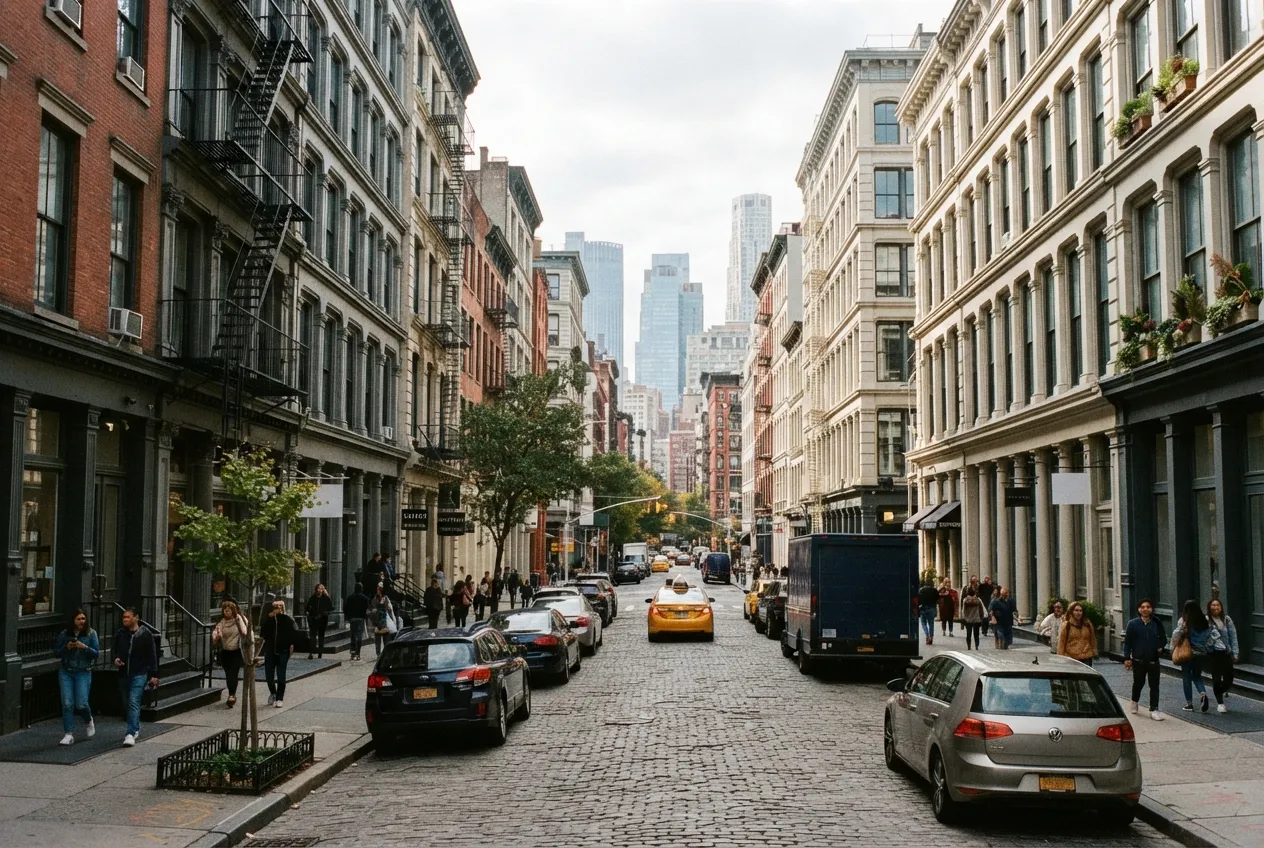
SoHo has a mix of converted loft buildings, pre-war apartment buildings and townhouses, and many of them still have working fireplaces, wood stoves or boiler flues. Apex Premier Chimney Services has its office at 113 Greene St, in SoHo, so we work on these chimneys regularly. Our certified technicians clean the flue, remove creosote and debris, and check the parts of the system you can't see from the living room. This page explains what a sweep involves in this neighborhood, when to schedule one, and what to expect on the day.
Why SoHo Chimneys Need Regular Sweeping
Many buildings in SoHo were built long before modern venting codes, and a lot of them have been renovated more than once. A loft conversion or apartment remodel can leave a flue that was partly rerouted, capped at the wrong point, or shared by more than one unit. Soot and creosote collect faster in older masonry flues with rough interiors, and debris like loose mortar, nesting material or leaves can settle on the smoke shelf or at offsets.
Creosote is the sticky residue that wood smoke leaves inside the flue. As it builds up it narrows the passage and becomes a fire risk. Gas and oil appliances don't produce creosote the same way, but their flues can still collect soot, scale and blockages that keep exhaust from leaving the home properly.
What Our Chimney Sweep Includes
Every visit starts with protecting your home. In finished lofts and apartments with expensive flooring and furniture, we lay down drop cloths and use sealed vacuum equipment so soot stays out of the room. We then look at the system before cleaning so we know what we're dealing with.
- Inspection of the firebox, damper, smoke chamber and visible flue
- Brushing the flue from the bottom, the top, or both, depending on roof access
- Removal of creosote, soot and debris from the firebox and smoke shelf
- Check of the chimney cap, crown and liner condition where accessible
- Plain-language notes on anything that needs repair, with photos when possible
Inspections, Building Changes and Oil-to-Gas Conversions
The NFPA 211 standard calls for chimneys, fireplaces and vents to be inspected once a year. Chimney professionals use three levels. A Level 1 inspection fits when nothing about the system has changed. A Level 2 inspection is called for when the system changes, for example a new appliance or a switch in fuel, or when the home is sold. A Level 3 inspection is used when a suspected hidden hazard can only be reached by opening part of the chimney or building.
Fuel switches come up often in Manhattan. When a New York City building converts its boiler from oil to gas, the chimney has to be evaluated as part of the work. A new liner is often needed, because gas exhaust produces acidic condensate that can corrode an unlined or worn masonry flue. If your building is planning a conversion, a sweep and inspection beforehand shows the current condition of the flue.
When to Schedule a Sweep in SoHo
New York City's heat season runs from October 1 through May 31, when building owners must keep apartments heated to the city's minimum temperatures. Boiler flues and fireplaces see the most use during these months, so late summer and early fall are good times to have the chimney cleaned and inspected before the system is working hard.
Don't wait for the yearly visit if you notice warning signs. Call for a sweep if you see any of the following.
- Smoke coming back into the room when you light a fire
- A strong smoky or tar-like smell, especially on humid days
- Black flakes or crumbly deposits falling into the firebox
- Sounds of animals or nesting in the flue
- Water stains or crumbling masonry near the fireplace
Working in Lofts, Townhouses and Pre-War Buildings
Access is often the hardest part of a chimney sweep in SoHo. Roof access in a loft building or pre-war walk-up may need coordination with a super, managing agent or co-op board, and some buildings have rules about when contractors can work. We can help you plan around those requirements and, where roof access isn't practical, clean from the firebox using rotary tools.
From our SoHo office we also serve homes in Little Italy, Hudson Square, Tribeca, Civic Center and Greenwich Village, where the housing stock and building rules are similar.
More services in SoHo
- Chimney Inspection in SoHoLocal service & repairs
- Chimney Repair in SoHoLocal service & repairs
- Air Duct Cleaning in SoHoLocal service & repairs
- Chimney Liner Installation in SoHoLocal service & repairs