
The short answer
A chimney liner is needed when an existing flue is cracked, deteriorated, missing, or the wrong size for the appliance it serves, and it is often required when a New York City building converts a boiler from oil to gas. We inspect the chimney first, then install a liner sized for your fireplace, stove, boiler or water heater.
Many chimneys in SoHo were built long before today's furnaces, boilers and water heaters existed. Over time, clay tiles crack, mortar joints wash out, and some older flues were never lined at all. A properly sized liner keeps heat and exhaust inside the chimney, protects the surrounding masonry, and helps your appliance vent the way it was designed to. Apex Premier Chimney Services is based at 113 Greene St in SoHo, so we work on chimneys in this neighborhood regularly. Our certified technicians inspect, measure and install liners for homes and buildings throughout ZIP code 10012 and nearby Manhattan neighborhoods.
Why SoHo Chimneys Often Need Relining
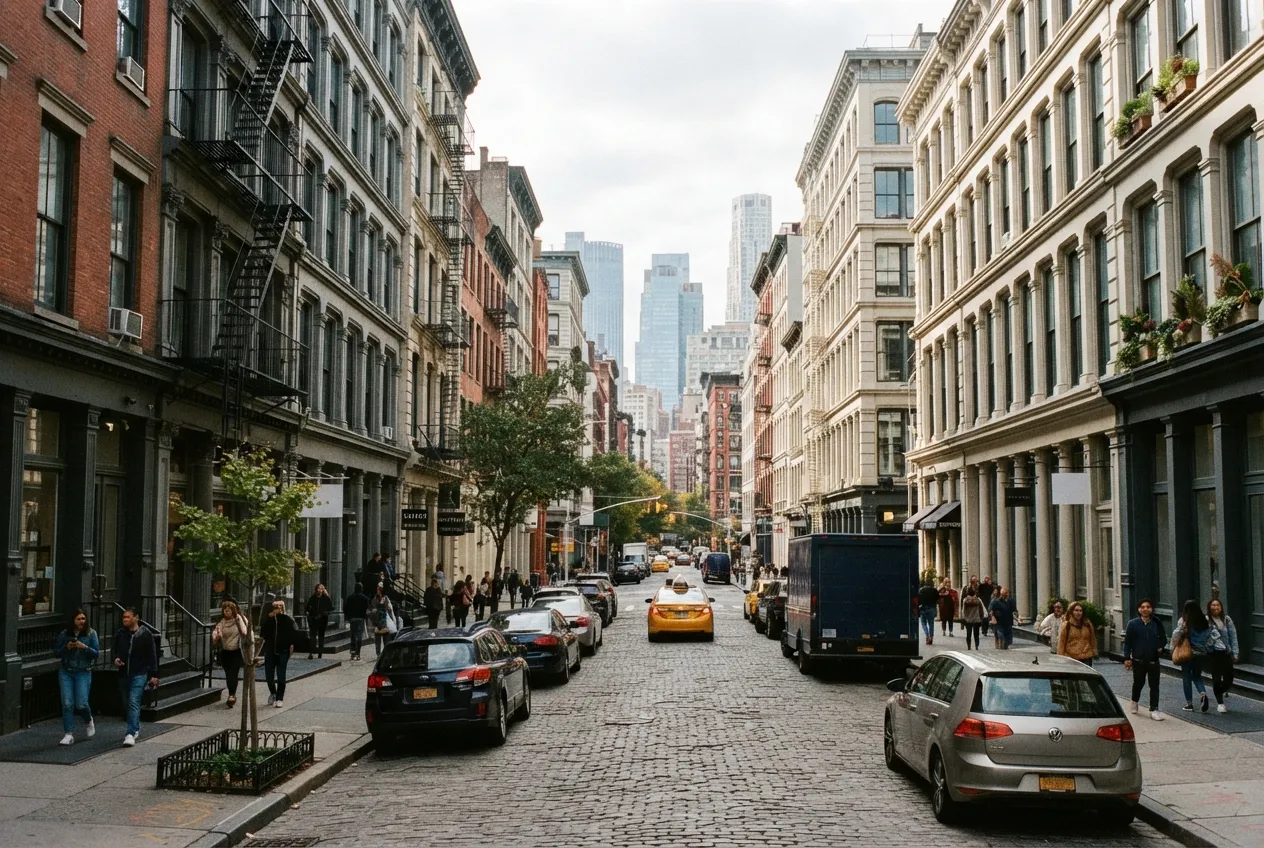
SoHo's housing includes loft buildings, pre-war apartment buildings and older rowhouses, many with tall masonry chimneys that have served several generations of heating equipment. A flue that worked for a coal stove or an old oil burner may not be right for the appliance connected to it today.
Common problems we find include cracked or shifted clay tiles, gaps in mortar between tiles, crumbling brick inside the flue, and flues that are far larger than a modern appliance needs. An oversized flue lets exhaust cool too quickly, which can lead to poor draft and moisture buildup. A damaged flue can let heat and combustion gases reach parts of the building they should never touch.
- Cracked, missing or displaced flue tiles
- Flaking masonry or debris falling to the base of the chimney
- Stains or dampness on walls near the chimney
- Draft problems, smoke spillage or appliance shutdowns
- A new appliance or fuel change connected to an older chimney
Oil-to-Gas Conversions in Manhattan Buildings
When a New York City building converts its boiler from oil to gas, the chimney has to be evaluated as part of the work. A new liner is often needed because gas exhaust produces acidic condensate that can corrode a masonry flue. In a pre-war apartment building or loft with an aging masonry chimney, that corrosion can quietly damage mortar and brick from the inside.
If your building is planning a conversion, we can inspect the chimney early so the liner is part of the plan rather than a surprise late in the project. We size the liner to the new equipment and coordinate with the people handling the boiler work.
How We Install a Chimney Liner
Every job starts with an inspection. The NFPA 211 standard calls for chimneys, fireplaces and vents to be inspected once a year, and it describes three inspection levels. A Level 2 inspection applies when the system changes, such as a new appliance or a switch of fuel, or when a home is sold. If a hidden hazard has to be reached by opening part of the chimney or building, a Level 3 inspection may be needed.
Once we know the chimney's condition, we explain what we found and recommend a liner suited to your appliance and flue.
- Inspect the flue, including a camera inspection where needed
- Measure the flue and confirm the appliance's venting needs
- Clean the chimney so the liner goes into a clear flue
- Install the liner from top to bottom and connect it to the appliance
- Seal and cap the top of the chimney
- Check draft and walk you through the finished work
Planning Around New York City's Heat Season
New York City's heat season runs from October 1 through May 31, when building owners must keep apartments heated to the city's minimum temperatures. For buildings with a central boiler, relining during heat season takes careful scheduling so heat is not interrupted longer than necessary.
Whenever possible, we recommend having the chimney inspected in late spring or summer. That leaves time to plan a liner installation before the boiler is needed again. If a problem turns up mid-winter, we will talk through your options and the safest way to proceed.
Serving SoHo and Nearby Neighborhoods
Because our office is in SoHo, homes and buildings across ZIP code 10012 are close by. We also install chimney liners in Little Italy, Hudson Square, Tribeca, Civic Center and Greenwich Village, where the mix of older rowhouses, loft buildings and pre-war apartment buildings brings many of the same chimney issues.
More services in SoHo
- Chimney Sweep in SoHoLocal service & repairs
- Chimney Inspection in SoHoLocal service & repairs
- Chimney Repair in SoHoLocal service & repairs
- Air Duct Cleaning in SoHoLocal service & repairs