
The short answer
Chimneys in West Village homes should be inspected once a year, as the NFPA 211 standard calls for. Most homes need a Level 1 inspection. A Level 2 is needed after a fuel switch, a new appliance, or a home sale, and a Level 3 only when a hidden hazard has to be reached.
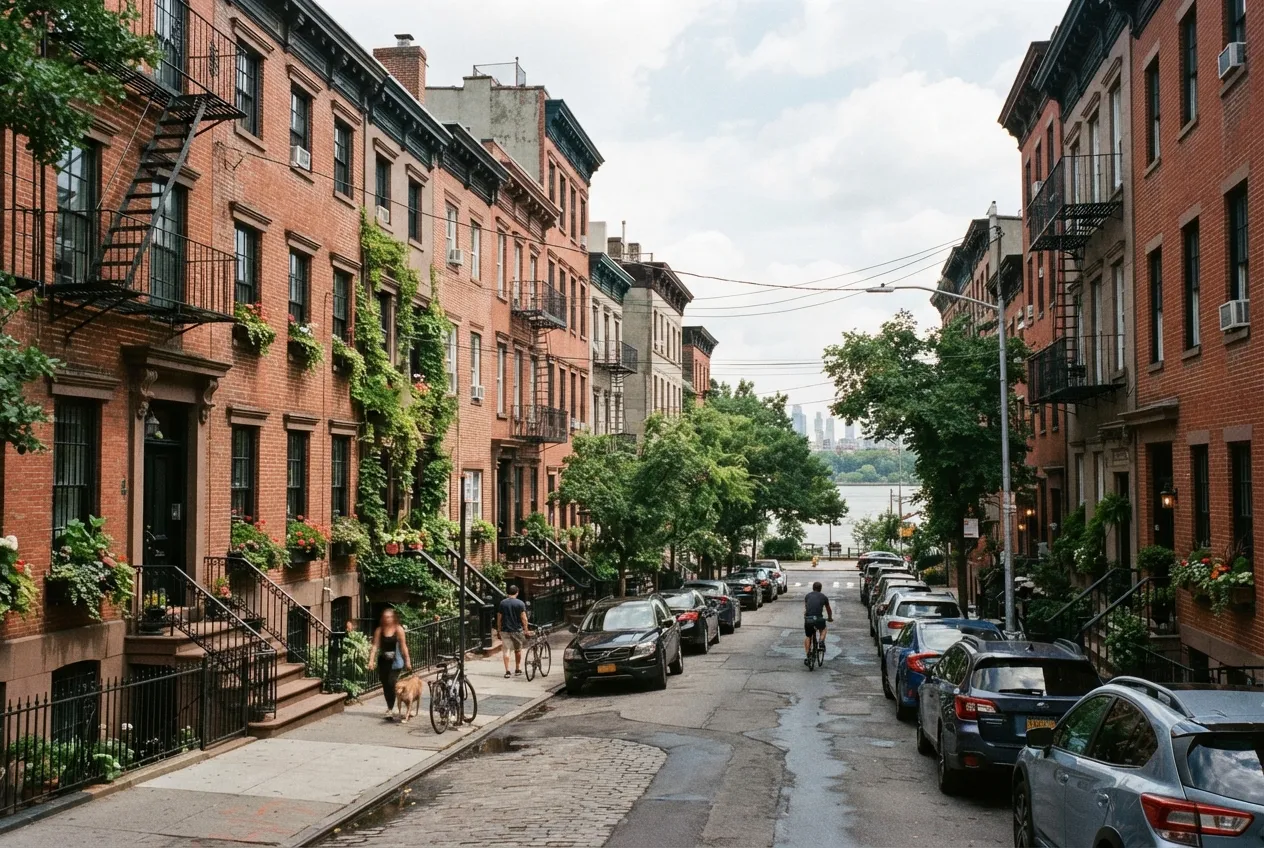
Many West Village homes are older, and many still have working fireplaces, stacked flues, or boiler chimneys that have served several generations of heating equipment. Apex Premier Chimney Services inspects chimneys, fireplaces and vents in rowhouses, brownstones, townhouses and pre-war apartment buildings throughout the 10014 ZIP code. Our Manhattan office is about a mile away, so a visit to the neighborhood is easy to schedule. This page explains what an inspection covers, which level fits your situation, and how to prepare.
Why West Village Chimneys Need a Yearly Inspection
The NFPA 211 standard calls for chimneys, fireplaces and vents to be inspected once a year. That applies whether you light a wood fire every winter weekend or use the fireplace only a few times a season. A chimney that sits unused can still develop problems. Mortar joints weather, crowns crack, animals and debris get into the flue, and moisture works its way into old brick.
Timing matters in New York City. The city's heat season runs from October 1 through May 31, and during that period building owners must keep apartments heated to the city's minimum temperatures. If your building's boiler vents through a masonry chimney, late summer or early fall is a sensible time for an inspection. That leaves room to handle any repair before the heat has to stay on.
Which Inspection Level Do You Need?
Chimney professionals use three inspection levels. The right level depends on what has changed in your home, not on how old the chimney is.
If you're buying or selling a townhouse or brownstone in the neighborhood, plan for a Level 2 inspection as part of the process.
- Level 1: for a chimney in regular use with no changes to the system. We examine the readily accessible parts of the fireplace, flue, chimney exterior and appliance connections.
- Level 2: for when the system changes, such as a new stove or insert, a switch of fuel, or a boiler conversion, and for when a home is sold. This is a more thorough examination of the flue and its surroundings.
- Level 3: for when a hidden hazard has to be reached by opening part of the chimney or the building, such as suspected damage that can't be confirmed any other way.
What We Look For in Rowhouses, Brownstones and Pre-War Buildings
Older Manhattan housing has its own patterns. Many rowhouses and brownstones have several fireplaces stacked floor by floor, each with its own flue running up a shared masonry chimney. Because of party walls, a problem in one flue can affect the neighbors too. Some fireplaces were sealed or made decorative decades ago and later reopened, so they should be checked before anyone lights a fire. During the inspection, our certified technicians check for:
- Cracked or missing flue tiles and gaps in old liners
- Creosote and soot buildup in wood-burning flues
- Dampers that stick, don't open fully, or don't seal
- The condition of the crown, cap and flashing on the roof
- Spalling brick and deteriorated mortar joints
- Blockages from nests, leaves or fallen masonry
- Clearance between the chimney and nearby woodwork
- Connections from boilers, water heaters or stoves into the flue
Oil-to-Gas Conversions and Chimney Liners
When a New York City building converts its boiler from oil to gas, the chimney has to be evaluated as part of the work. A new liner is often needed because gas exhaust produces acidic condensate that can corrode a masonry flue.
If your building is planning a conversion, or has already converted without a chimney evaluation, we can inspect the flue. We'll tell you plainly whether the existing liner is suitable or a new one is needed. Condensate damage often shows up as crumbling mortar, staining on the masonry, or debris collecting at the base of the chimney.
Preparing for Your Inspection
Stop using the fireplace or stove at least a day ahead so the firebox is cool. Clear a few feet of space in front of the hearth, and tell us how to reach the roof and the boiler room if your building has them. In walk-ups and co-ops, check with the super or managing agent about roof access before the visit.
After the inspection, we walk you through what we found. We explain which issues need prompt attention and which can wait, and we recommend cleaning or repairs only where they're needed. We also serve nearby Greenwich Village, SoHo, Little Italy, Hudson Square and Gramercy.
More services in West Village
- Chimney Sweep in West VillageLocal service & repairs
- Chimney Repair in West VillageLocal service & repairs
- Air Duct Cleaning in West VillageLocal service & repairs
- Chimney Liner Installation in West VillageLocal service & repairs