
The short answer
A chimney liner is a sealed channel inside the flue that protects the masonry and moves exhaust safely out of the building. West Village chimneys often need one because many are old, unlined or damaged, or because a boiler is switching from oil to gas. We inspect the flue first, recommend the liner that fits the appliance and the chimney, then install and verify it.
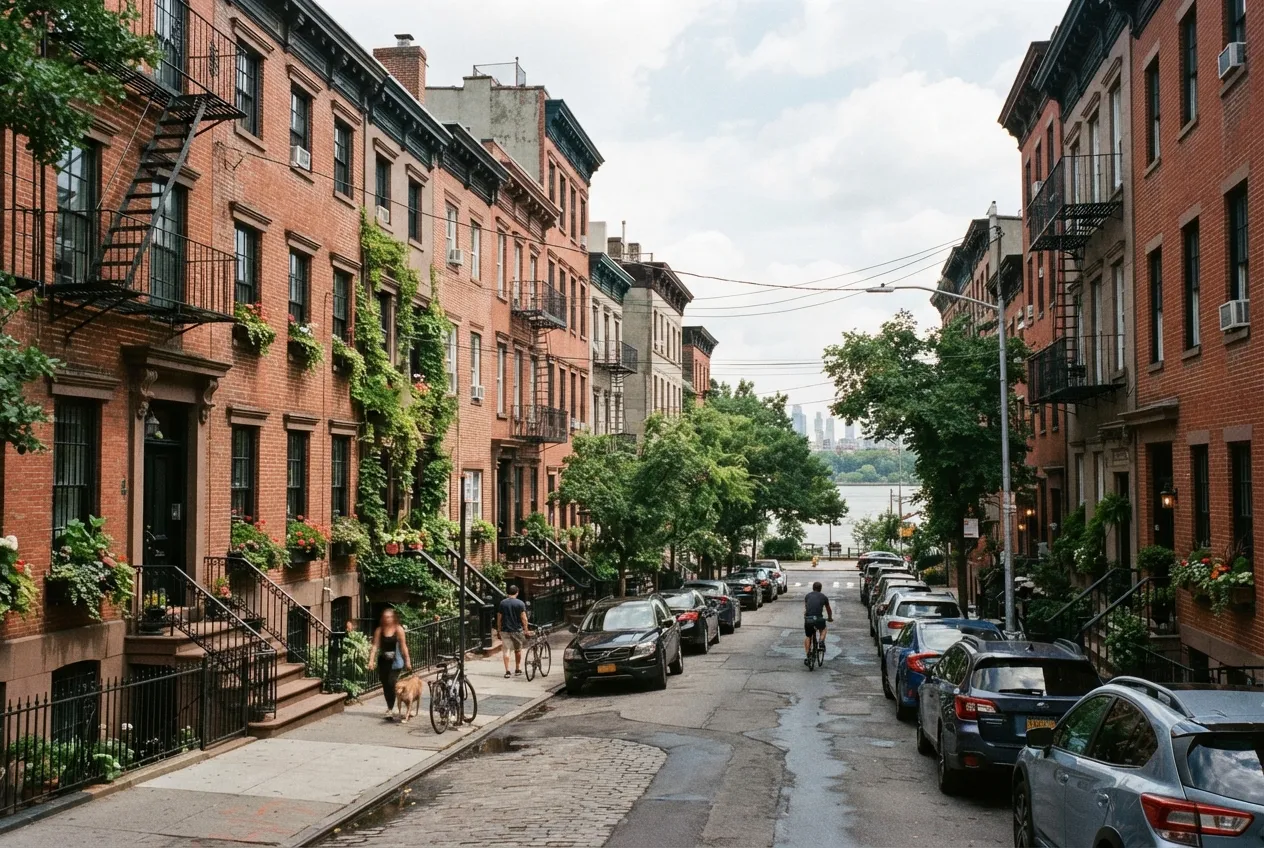
West Village homes are mostly older masonry buildings: brownstones, brick rowhouses, small walk-ups and pre-war apartment buildings. Many of their chimneys were built for coal or wood and were never lined, or they have clay tile liners that have cracked, shifted or worn away over many decades. A liner keeps heat and exhaust inside the flue and away from the brick, mortar and wood framing around it. Our certified technicians install and replace chimney liners for fireplaces, boilers and water heaters across ZIP code 10014. The neighborhood is about a mile northwest of our Manhattan office, so we can schedule inspections and installs here without long lead times.
Why West Village Chimneys Often Need a New Liner
Most chimneys in the neighborhood are older than the heating equipment they now serve. A flue sized for an open coal grate may be far too large for a modern boiler. That can lead to poor draft, condensation and exhaust that lingers instead of rising. Original clay tiles can crack from heat or settling, and mortar joints between tiles erode over time. Once gaps open up, heat and combustion gases can reach the surrounding brick and any wood framing close to the chimney.
In rowhouses and attached buildings, chimneys often share walls with neighbors or run beside other flues. A sound liner helps keep smoke and gases in the flue where they belong.
- Cracked, missing or offset clay flue tiles
- Brown staining, flaking brick or crumbling mortar inside the firebox or on the chimney exterior
- Poor draft or smoke rolling into the room
- A boiler or water heater replaced with a different size or fuel type
- Damage found after a chimney fire
Oil-to-Gas Conversions in Manhattan Buildings
When a New York City building converts its boiler from oil to gas, the chimney has to be evaluated as part of the job. A new liner is often needed, because gas exhaust produces acidic condensate that can corrode a masonry flue from the inside. In older brick chimneys, that corrosion can loosen mortar and push debris down to the base of the flue.
We work with owners and their heating contractors to size the liner to the new appliance. We confirm the chimney can vent it properly before the boiler goes back into service.
How We Install a Chimney Liner
Every job starts with an inspection. The NFPA 211 standard calls for a Level 2 inspection when a heating system changes, such as a new appliance or a switch of fuel, and when a home is sold. This usually includes a camera inspection of the full flue. If something hidden has to be reached by opening part of the chimney or wall, a Level 3 inspection may be needed. We explain what we find before recommending any work.
- Inspect and photograph the flue so you can see its condition
- Clean the chimney and remove loose debris or old tile fragments
- Measure the flue and match the liner size to the appliance
- Install the liner, connect it at the appliance end and seal the top
- Fit or replace the chimney cap to keep out rain and animals
- Check draft and connections, then walk you through the finished work
Choosing the Right Liner for Your Chimney
The right liner depends on what the chimney vents, its shape, and how much of the original structure is still sound. We will recommend one option and explain why it fits your chimney.
- Stainless steel liners: common for gas and oil boilers, water heaters and many fireplaces. Flexible versions can work through offsets in older chimneys.
- Cast-in-place liners: a poured lining that can help strengthen a deteriorated masonry flue, suited to some older fireplaces.
- Clay tile relining: possible in some chimneys, though it usually means more demolition and a longer job.
Planning Around Heat Season and Building Access
New York City's heat season runs from October 1 through May 31, when building owners must keep apartments heated to the city's minimum temperatures. If your boiler chimney needs a liner, scheduling the work before October helps avoid a shutdown during the cold months. If a problem turns up mid-season, we will plan the job to keep heating downtime as short as we can.
West Village streets are narrow and many buildings have tight stairwells, shared roofs or limited roof access. We coordinate access with owners, co-op or condo management and neighbors ahead of time. We protect floors and furnishings while we work. We also serve nearby Greenwich Village, SoHo, Little Italy, Hudson Square and Gramercy.
More services in West Village
- Chimney Sweep in West VillageLocal service & repairs
- Chimney Inspection in West VillageLocal service & repairs
- Chimney Repair in West VillageLocal service & repairs
- Air Duct Cleaning in West VillageLocal service & repairs