
The short answer
Chimney repair in the West Village usually means fixing deteriorated mortar and brick, cracked crowns, failed flashing, damaged flue liners and broken dampers or caps. We start with an inspection to find the cause, then repair only what the chimney needs, ideally before heat season begins on October 1.
Chimneys in the West Village are often as old as the buildings they serve, and they take a beating from freeze-thaw winters, wind-driven rain and decades of use. Whether you own a brownstone, a rowhouse with a shared party wall, or a unit in a pre-war apartment building in 10014, small chimney problems tend to grow quietly until water shows up on a ceiling or a fireplace starts to smoke. Apex Premier Chimney Services is about a mile from the neighborhood, so our certified technicians can inspect your chimney, explain what they find in plain terms, and repair the parts that actually need it.
Common Chimney Problems in West Village Homes
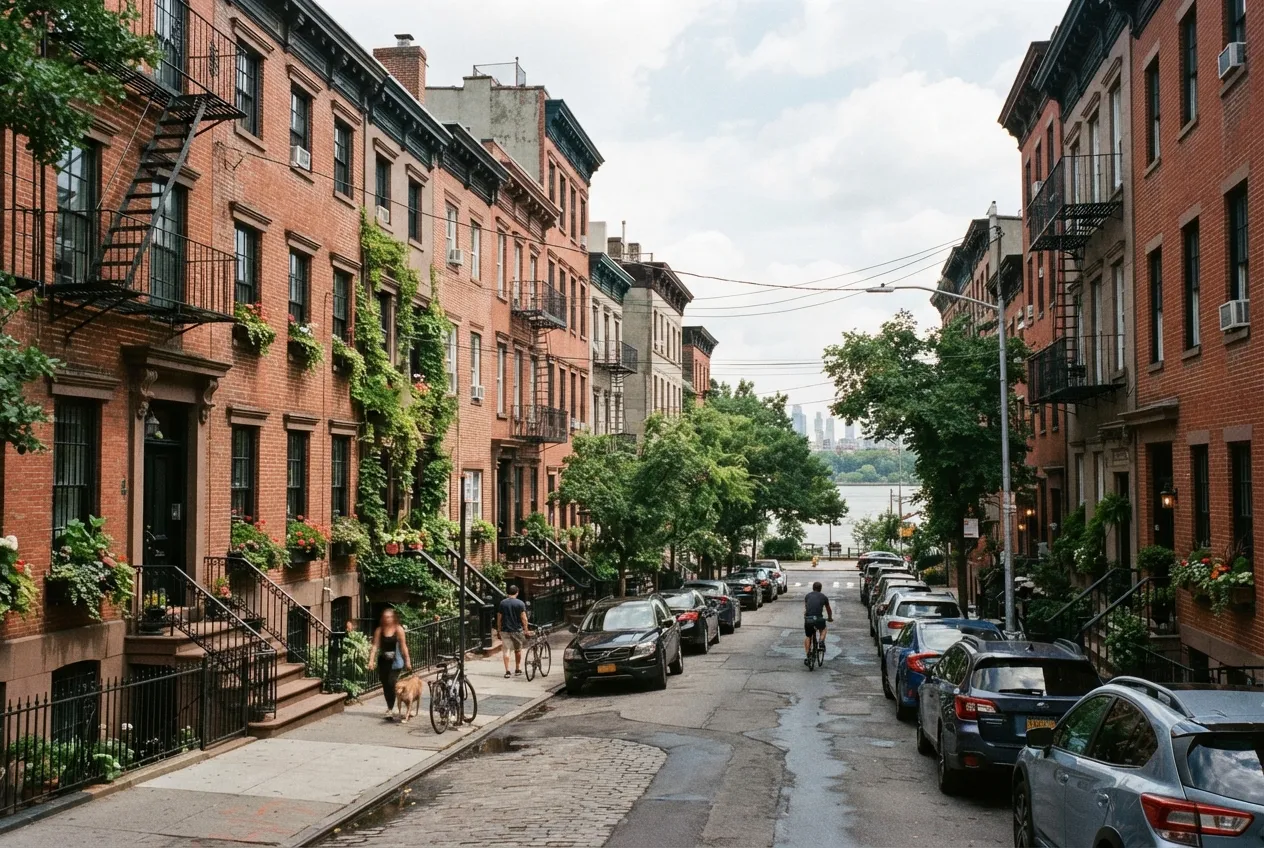
Most West Village chimneys are brick, often running up through several floors and sharing a roofline or party wall with neighbors. Masonry like this lasts a long time, but the weak points are predictable. Water gets into worn mortar joints, freezes and expands, and slowly pushes brick apart. Crowns crack, flashing pulls away from the roof, and liners deteriorate inside where no one can see them.
These are the repairs we handle most often for homes in the neighborhood:
- Repointing loose or eroded mortar joints and replacing spalled or cracked brick
- Rebuilding or sealing cracked chimney crowns so water runs off instead of soaking in
- Resealing or replacing flashing where the chimney meets the roof
- Repairing or relining damaged clay, masonry or metal flues
- Fixing or replacing stuck, rusted or warped dampers
- Installing or replacing chimney caps to keep out rain, debris and animals
Inspection Comes Before Repair
A water stain or a crumbling brick tells you something is wrong, but not always where it started. Leaks that look like roof problems are often flashing or crown failures, and a smoky fireplace can point to a damaged liner or a blocked flue. That is why every repair begins with an inspection.
The NFPA 211 standard calls for chimneys, fireplaces and vents to be inspected once a year. A Level 1 inspection fits a system that has not changed. A Level 2 inspection is used when something changes, such as a new appliance or a switch of fuel, or when a home is sold. A Level 3 inspection is reserved for hidden hazards that can only be reached by opening part of the chimney or building. We tell you which level your situation calls for and why before any work starts.
Liners and Oil-to-Gas Conversions
Many pre-war buildings and older townhouses in Manhattan have moved, or are moving, from oil heat to gas. When a New York City building converts its boiler from oil to gas, the chimney has to be evaluated as part of that work. A new liner is often needed, because gas exhaust produces acidic condensate that can corrode an unlined or worn masonry flue from the inside.
If your building is planning a conversion, or already converted without a liner check, we can inspect the flue and recommend a liner sized for the appliance it serves. Catching liner damage early is far simpler than repairing masonry that has been eaten away by condensate.
Timing Repairs Around Heat Season
New York City's heat season runs from October 1 through May 31, when building owners must keep apartments heated to the city's minimum temperatures. For buildings that rely on a boiler venting through the chimney, a flue problem in the middle of winter can create real pressure to fix it fast.
Late spring and summer are the easiest times to schedule masonry and crown work, since mortar cures better in mild weather and the heating system is not in use. If you notice damage in winter, call anyway. We will assess whether it is safe to keep running the system and what should be done right away versus after the season ends.
What to Expect From a Repair Visit
West Village streets and rooflines can make access tricky, so we plan roof and interior work carefully and protect floors and furnishings around the fireplace or boiler room. Our technician will show you photos of the problem areas, explain the repair options, and give you a clear scope before starting. Once the work is done, we walk you through what was fixed and what to keep an eye on going forward.
We also serve nearby Greenwich Village, SoHo, Little Italy, Hudson Square and Gramercy.
More services in West Village
- Chimney Sweep in West VillageLocal service & repairs
- Chimney Inspection in West VillageLocal service & repairs
- Air Duct Cleaning in West VillageLocal service & repairs
- Chimney Liner Installation in West VillageLocal service & repairs